What Is Thalassemia?
An inherited blood disorder affecting haemoglobin production, ranging from a mild trait to severe forms needing regular care.
Types
& Severity
Alpha and beta thalassemia, classified as trait, minor, intermedia or major depending on severity.
Diagnosis
& Testing
CBC, haemoglobin electrophoresis, iron studies and genetic testing confirm the type and severity.
Book a Consultation
Speak with Dr. Neema Bhat about diagnosis, treatment or a second opinion.
Everything families need to know
Symptoms of Thalassemia
Tiredness, pale skin, slow growth and other signs that vary by severity.
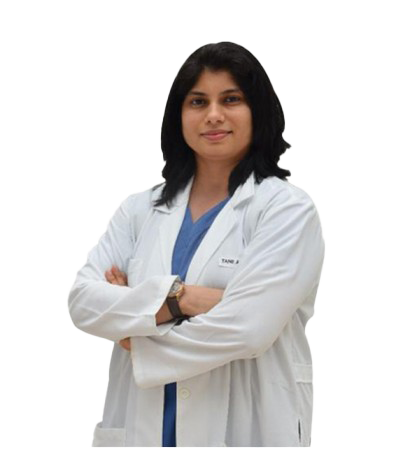
MD (Cooper University Hospital, USA) · FAAP Fellowship, Pediatric Hematology, Oncology & BMT, Penn State Health · Gold Medalist, Physiology
What Causes It?
Inherited changes in the genes responsible for producing haemoglobin's alpha and beta globin chains. Terms like trait, minor, intermedia and major describe clinical severity.Why Specialist Care Matters
Thalassemia is a lifelong condition that may need coordinated management of anaemia, transfusions, iron overload, nutrition, organ health and, in selected cases, stem cell transplantation.
── TYPES OF THALASSEMIA
Alpha and beta thalassemia
Alpha Thalassemia
Alpha thalassemia occurs when the body does not produce enough alpha-globin chains. Its severity depends on how many alpha-globin genes are affected — some people may have no significant symptoms, while more severe forms can cause substantial anaemia.
Beta Thalassemia
Beta thalassemia occurs when the production of beta-globin chains is reduced or absent. Depending on the inherited genetic changes and clinical severity, it may be described as trait/minor, intermedia, or major — a severe form that commonly requires regular blood transfusions.
Who May Be Considered?
Type & severity of thalassemia, age, overall health, transfusion history, iron burden, heart & liver function, donor availability, HLA compatibility, and prior complications.HLA Matching
A matched sibling can be an important donor option, but not every patient has one — other donor options may be considered depending on the transplant centre.

+91 78997 56677
Emergency Line