What Is Hematology?
A medical specialty focused on disorders of the blood, bone marrow and lymphatic system, from anemia and clotting disorders to blood cancers.
Blood
Disorders
Anemia, thalassemia, sickle cell disease, bleeding disorders, lymphoma, multiple myeloma and other blood conditions.
Diagnosis
& Testing
CBC, blood smears, iron studies, coagulation tests, bone marrow evaluation and genetic or molecular testing when required.
Book a
Consultation
Speak with Dr. Neema Bhat about symptoms, abnormal blood reports, diagnosis, treatment or a second opinion.
Everything families need to know
Common Symptoms of Blood Disorders
Fatigue, unexplained bruising, bleeding, infections and other signs that may require hematology evaluation.
How Hematology Conditions Are Diagnosed
CBC, blood smears, iron studies, coagulation tests and specialised testing when required.
Blood Disorders & Treatment Options
Medical management, transfusions, nutritional therapy and advanced treatments based on the underlying condition.
Bone Marrow & Stem Cell Transplant
An advanced treatment option for selected blood cancers and severe inherited blood disorders.
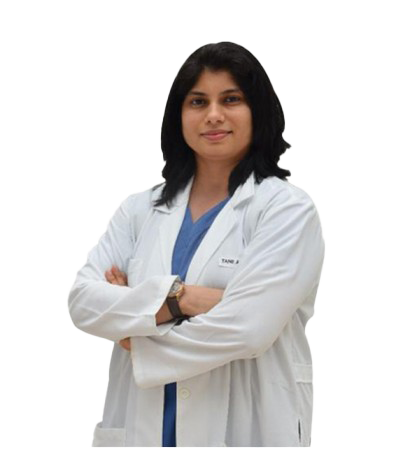
MD (Cooper University Hospital, USA) · FAAP Fellowship, Pediatric Hematology, Oncology & BMT, Penn State Health · Gold Medalist, Physiology
What Does Hematology Treat?
Hematology covers conditions affecting blood cells, bone marrow and clotting function, including anaemia, thalassemia, sickle cell disease, bleeding disorders, lymphoma and multiple myeloma.Why Specialist Care Matters
Blood disorders can have different causes and may require specialised testing and long-term management. A hematologist helps identify the underlying condition and develop an appropriate treatment and follow-up plan.
Inherited Blood Disorders
Conditions such as thalassemia and sickle cell disease are inherited and can require long-term specialist care, regular monitoring and, in selected cases, transfusion or advanced treatment.Blood Cancers
Leukemia, lymphoma and multiple myeloma affect blood-forming or lymphatic tissues and require accurate diagnosis, disease classification and an individualized treatment approach.

+91 78997 56677
Emergency Line