Brain Tumor Treatment in Bangalore
A brain tumor is an abnormal growth of cells within the brain or the tissues surrounding it, which can be either benign (non-cancerous) or malignant (cancerous). Access to specialized brain tumor treatment in Bangalore — combining accurate diagnosis, neurosurgery, and, when needed, oncology support — is essential for managing both the tumor itself and the neurological symptoms it can cause.
What Is Brain Tumor?
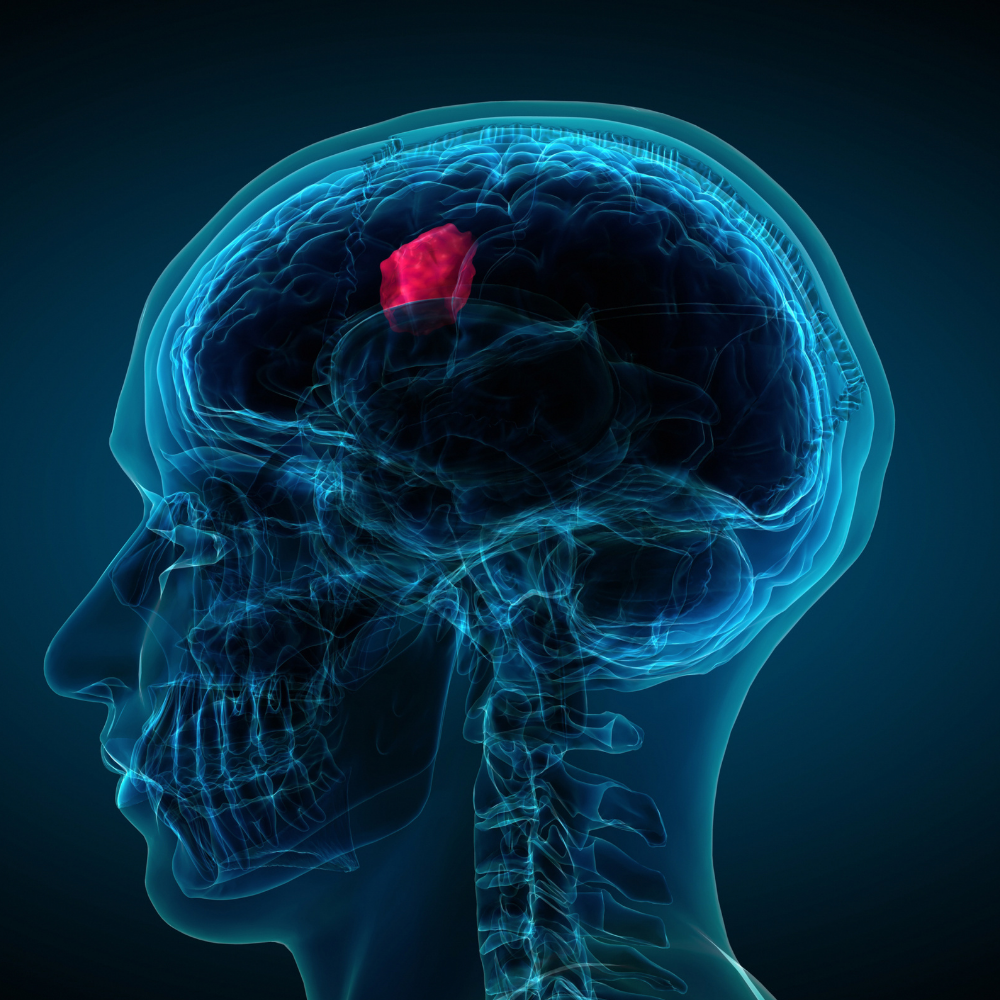
A brain tumor is an abnormal growth of cells within the brain or the tissues surrounding it, which can be either benign (non-cancerous) or malignant (cancerous), and which grows in a confined space where even small tumors can affect nearby brain function.
Brain tumors are broadly divided into primary tumors, which originate in the brain itself, and secondary (metastatic) tumors, which spread to the brain from cancer elsewhere in the body.
In children, brain tumors are also one of the more common pediatric cancers, which is why pediatric-specific expertise matters alongside general neuro-oncology care.

Meet Dr. Neema Bhat - Brain Tumor Specialist in Bangalore
Dr. Neema Bhat is a renowned Hematologist and Pediatric Oncologist in Bangalore with over 15 years of dedicated experience in diagnosing and treating complex hematological disorders, acute childhood leukemias, solid tumors, and cellular therapies.
Her clinical philosophy combines advanced precision medicine with a gentle, child-first environment to ease treatment anxiety for young patients and their families.
Precision
Diagnostics
Flow cytometry
Child-First Care
Anxiety-free gentle chemo protocols
Curative BMT
Stem cell transplant excellence
Types of Brain Tumor
Brain tumors are classified by the type of cell they originate from and whether they are benign or malignant.
- Gliomas — tumors arising from glial cells, including astrocytomas and glioblastomas; can range from slow-growing to highly aggressive
- Meningiomas — typically benign tumors that develop in the membranes covering the brain and spinal cord; among the most common primary brain tumors in adults
- Pituitary Tumors — usually benign growths in the pituitary gland that can affect hormone levels
- Medulloblastomas — fast-growing tumors that occur primarily in children, originating in the cerebellum
- Acoustic Neuromas — benign tumors affecting the nerve connecting the ear to the brain
- Metastatic (Secondary) Brain Tumors — cancer that has spread to the brain from another part of the body, such as the lung or breast
Medulloblastoma is worth highlighting specifically because it is one of the more common malignant brain tumors in children, making pediatric neuro-oncology expertise particularly relevant when the patient is a child.
Risk Factors & Common Symptoms
Risk Factors & Causes
- Genetic syndromes - such as neurofibromatosis or Li-Fraumeni syndrome, which carry a higher inherited risk of certain brain tumors
- Prior radiation exposure - particularly radiation to the head for a previous condition, which can raise long-term risk
- Family history - a small subset of brain tumors run in families, though most occur without any family history
- Age - certain tumor types, such as medulloblastoma, are more common in children, while others, like glioblastoma, are more common in older adults
Common Symptoms
- Persistent or worsening headaches, often worse in the morning
- Seizures, including in someone with no prior seizure history
- Nausea or vomiting, particularly without an obvious cause
- Vision changes, such as blurred or double vision
- Balance or coordination problems
- Weakness or numbness in an arm or leg
- Changes in speech, memory, or personality
As with most cancers, having a risk factor does not mean a brain tumor will develop, and most people diagnosed have no identifiable risk factor at all.
How Brain Tumor Is Diagnosed
- MRI (Magnetic Resonance Imaging) – the primary imaging tool for detecting and characterizing brain tumors
- CT Scan – sometimes used, particularly in emergency settings or when MRI isn’t immediately available
- Biopsy – a tissue sample, taken either during surgery or via a needle biopsy, to confirm the tumor type under a microscope
- Molecular and Genetic Testing – increasingly used to classify tumors more precisely and guide treatment decisions
- Neurological Examination – assessing vision, coordination, reflexes, and cognitive function to help localize the tumor’s effects
Brain Tumors in Adults v/s Children
Pediatric Brain Tumors
Most common types: Medulloblastoma, low-grade gliomas. Typical location: often in the cerebellum/posterior fossa. Treatment approach: pediatric-specific chemotherapy and radiation protocols, with developmental considerations. Key concern: long-term developmental and cognitive effects. Specialist needed: pediatric neuro-oncologist.
Adult Brain Tumors
Most common types: Meningioma, glioblastoma, metastatic tumors. Typical location: varies, often cerebral hemispheres. Treatment approach: protocols adjusted for adult physiology. Key concern: often tumor-type-dependent prognosis. Specialist needed: neuro-oncologist.
Treatment decisions for children must weigh long-term developmental impact alongside tumor control in a way that differs meaningfully from adult care.
Treatment Options for Brain Tumor
Brain tumor treatment is multidisciplinary, typically involving neurosurgery alongside oncology support.
01 Surgery
Often the first step when a tumor is accessible, aiming to remove as much of the tumor as safely possible while preserving brain function. Some tumors can be fully removed; others require a partial resection followed by additional treatment.
02 Radiation Therapy
Used to target tumor cells that can’t be safely removed surgically, or as a follow-up after surgery. Techniques like stereotactic radiosurgery allow highly focused radiation delivery with minimal impact on surrounding healthy tissue.
03 Chemotherapy
Used for certain malignant brain tumors, particularly in children with medulloblastoma or other pediatric brain cancers, often as part of a combined treatment protocol alongside surgery and radiation.
04 Targeted Therapy
Newer treatments that target specific genetic or molecular features of a tumor, increasingly used as molecular testing becomes part of standard diagnosis.
05 Supportive & Rehabilitative Care
Physical, occupational, and speech therapy are often needed after treatment, particularly when a tumor or its treatment has affected movement, coordination, or speech.
What to Expect During Treatment
- Initial diagnosis and staging through imaging and biopsy
- A treatment plan developed jointly by neurosurgery, oncology, and radiation oncology, tailored to tumor type and location
- Surgery, if applicable, followed by a recovery period before further treatment begins
- Radiation and/or chemotherapy phases, if indicated, over weeks to months
- Regular follow-up imaging to monitor treatment response and watch for recurrence
- Rehabilitative support as needed, integrated throughout rather than only after treatment ends
Life After Brain Tumor Treatment
- Regular MRI scans to monitor for recurrence, on a schedule that gradually spaces out over time
- Monitoring for late effects of treatment, particularly in children, including cognitive, hormonal, or developmental effects
- Ongoing rehabilitative therapy as needed for any lasting neurological effects
- Coordination with endocrinology if the tumor or its treatment affected hormone-producing structures like the pituitary gland
- Psychological and educational support, particularly important for pediatric patients returning to school after treatment
When to See a Doctor About BRAIN TUMOR Symptoms
See a specialist promptly if you or your child experience persistent or worsening headaches, a new seizure, unexplained vision changes, or unusual balance or coordination problems — especially if these symptoms are new, progressive, or occur together.
Most headaches and balance issues have far more common explanations than a brain tumor, but persistent or combined neurological symptoms deserve a proper evaluation rather than being dismissed.
Get an Expert Second Opinion.
A brain tumor diagnosis, or a proposed treatment plan, is a reasonable and common thing to seek a second opinion on, particularly given how much treatment decisions depend on precise tumor classification.
A second opinion can help confirm the diagnosis, clarify surgical and treatment options, and give families more confidence before proceeding with a treatment plan, especially for pediatric cases.
Dr. Neema Bhat offers second-opinion consultations for patients who already have imaging, a biopsy result, or a treatment recommendation from elsewhere.
Reports Checklist to Bring
- MRI Brain reports – Including the latest scan and previous scans, if available.
- CT Scan reports – Bring the report and images where available.
- Biopsy reports – If a biopsy has already been performed.
- Histopathology reports – Including the confirmed tumor diagnosis.
- Molecular and genetic testing reports – If testing has been performed.
- Previous treatment records – Details of surgery, radiation therapy, chemotherapy or other treatments.
- Discharge summaries – From previous hospital admissions or procedures.
- Blood test reports – Recent laboratory investigations relevant to treatment.
- Previous specialist opinions – Any neurosurgery, oncology or radiation oncology recommendations.
Cost of Brain Tumor Treatment in Bangalore
The cost of brain tumor treatment in Bangalore depends on several factors:
- Tumor type and complexity — a straightforward benign tumor removal typically costs less than treatment for a malignant tumor requiring surgery, radiation, and chemotherapy combined
- Treatment modality — surgery alone differs significantly in cost from surgery plus radiation and/or chemotherapy
- Length of hospital stay and ICU requirements, which vary by case
- Insurance coverage — many health insurance plans in India cover brain tumor treatment, though coverage details vary by policy and hospital network
Because brain tumor treatment plans vary so significantly by case, a consultation with imaging and diagnostic results in hand is the most reliable way to get an accurate cost estimate.
What Affects The Cost
- Tumor Type & Complexity – The type, size, location and complexity of the tumor can affect the overall treatment cost.
- Treatment Modality – Surgery alone may cost differently from treatment involving surgery, radiation and/or chemotherapy.
- Hospital Stay & ICU Requirements – The length of hospitalisation and need for intensive care can significantly affect expenses.
- Diagnostic Tests – MRI, CT scans, biopsy, histopathology and molecular or genetic testing may add to the overall cost.
- Supportive & Rehabilitative Care – Physical, occupational or speech therapy may be required depending on the patient's condition.
- Insurance Coverage – The amount covered by health insurance depends on the individual policy and hospital network.
Common Questions About Brain Tumor
Is a brain tumor always cancerous?
No. Many brain tumors, such as most meningiomas, are benign (non-cancerous). Whether a tumor is benign or malignant significantly affects both prognosis and treatment approach.
Can a brain tumor be cured?
Many benign brain tumors can be effectively treated, and some malignant brain tumors — particularly certain pediatric tumors caught early — respond well to combined treatment. Outcomes vary significantly by tumor type, location, and how early it’s diagnosed.
How long does brain tumor surgery take?
Surgery duration varies widely based on tumor size, location, and complexity, ranging from a few hours to significantly longer for tumors in complex locations. Your neurosurgical team can provide a specific estimate based on your imaging.
What are the early signs of a brain tumor in children?
Early signs in children can include persistent headaches, morning vomiting, unusual head growth in infants, balance problems, vision changes, or developmental delays. These symptoms overlap with many common childhood conditions, so evaluation by a specialist is the best way to clarify the cause.
Is chemotherapy always needed for brain tumors?
No. Chemotherapy is used for certain brain tumor types, particularly some malignant pediatric tumors, but many brain tumors are treated with surgery alone or surgery combined with radiation, without chemotherapy.
How much does brain tumor treatment cost in India?
Cost depends heavily on tumor type, treatment modality, and length of hospital stay. A consultation with your specific imaging and diagnosis provides the most accurate estimate.
Schedule Your Consultation with Dr. Neema Bhat
Whether you need a diagnosis, second opinion, or ongoing treatment – take the first step towards better blood health today.

+91 78997 56677
Emergency Line