
Multiple Myeloma Treatment in Bangalore
Multiple myeloma is a type of blood cancer that develops when abnormal plasma cells grow in the bone marrow. These cells can affect healthy blood-cell production and may affect the bones, kidneys and immune system.
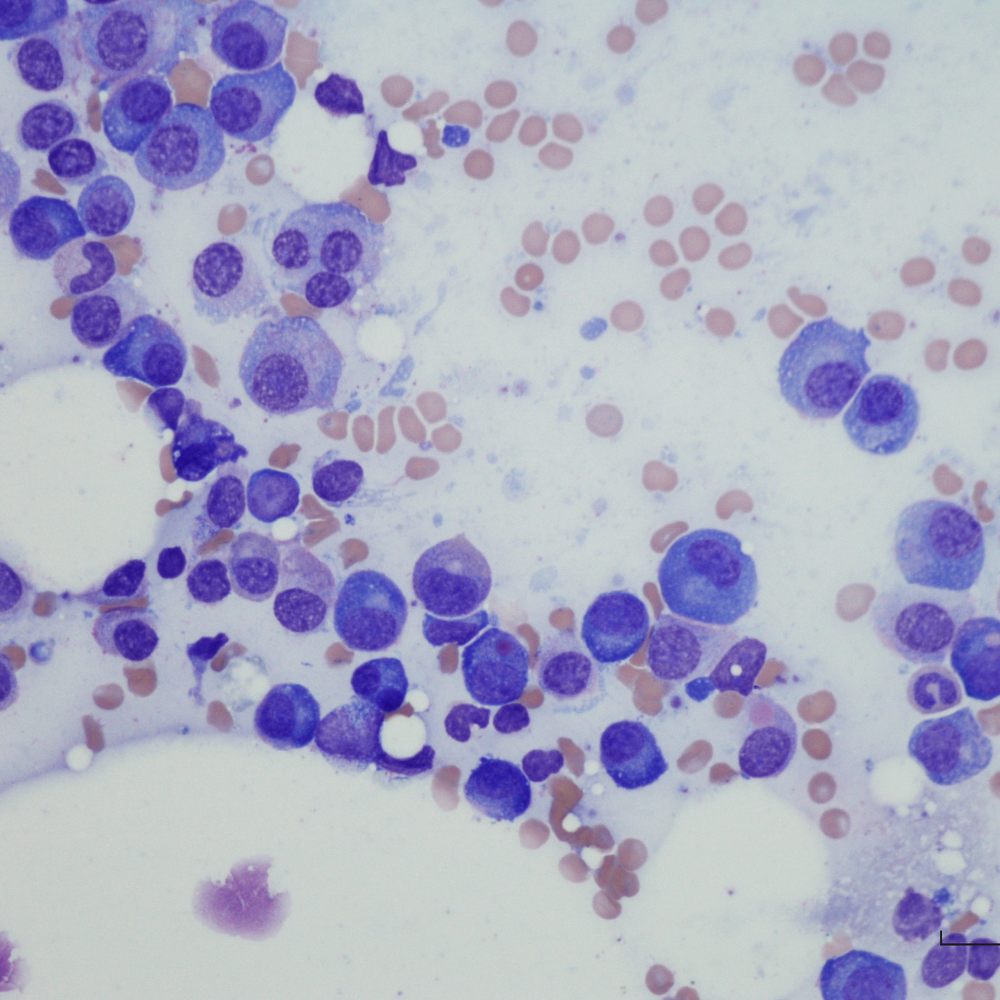
What Is Multiple Myeloma?
Multiple myeloma is a type of blood cancer that develops when abnormal plasma cells grow in the bone marrow. Plasma cells normally produce antibodies to help the body fight infections. In multiple myeloma, abnormal plasma cells multiply and produce an abnormal protein called monoclonal protein or M protein.
As abnormal myeloma cells increase in the bone marrow, they can interfere with healthy blood-cell production and affect the bones, kidneys and immune system.
Multiple myeloma is different from a primary bone cancer. It begins in plasma cells within the blood-forming system, although it can significantly affect the bones and cause bone lesions, weakness and fractures.

Meet Dr. Neema Bhat - Multiple Myeloma Specialist in Bangalore
Dr. Neema Bhat is a renowned Hematologist and Pediatric Oncologist in Bangalore with over 15 years of dedicated experience in diagnosing and treating complex hematological disorders, acute childhood leukemias, solid tumors, and cellular therapies.
Her clinical philosophy combines advanced precision medicine with a gentle, child-first environment to ease treatment anxiety for young patients and their families.
Precision
Diagnostics
Flow cytometry
Child-First Care
Anxiety-free gentle chemo protocols
Curative BMT
Stem cell transplant excellence
Risk Factors & Common Symptoms
Risk Factors & Causes
- Abnormal changes in plasma cells
- Uncontrolled growth of plasma cells in the bone marrow
- Prior chemotherapy or radiation exposure
- Development of abnormal monoclonal proteins (M proteins)
- Progression from certain plasma-cell disorders, such as MGUS, in some patients
- Genetic or molecular changes within abnormal plasma cells
Common Symptoms
- Persistent bone pain, particularly in the back, hips or ribs
- Bone weakness or fractures
- Persistent tiredness or weakness
- Shortness of breath related to anemia
- Frequent or recurrent infections
- Increased thirst and frequent urination
- Nausea or constipation associated with high calcium levels
- Unexplained weight loss
- Kidney problems
- Numbness or weakness related to nerve or spinal complications
Some people may have few or no symptoms initially. Persistent or unexplained symptoms should be evaluated by a qualified doctor.
How Multiple Myeloma Is Diagnosed
Diagnosing multiple myeloma usually involves a combination of blood tests, urine tests, bone marrow evaluation and imaging.
- Complete blood count
- Blood calcium and kidney-function tests
- Serum protein electrophoresis
- Immunofixation testing
- Serum free light-chain testing
- Urine protein testing
- Bone marrow aspiration and biopsy
- Cytogenetic and molecular testing when appropriate
- Imaging studies to assess bones and detect lesions
MULTIPLE MYELOMA & KIDNEY DISEASE, ANEMIA
How Myeloma Can Affect the Kidneys
Abnormal proteins produced by myeloma cells can contribute to kidney damage, while high calcium levels and other complications can also affect kidney function.
Regular monitoring may include
Serum creatinine, kidney function, calcium levels, blood protein levels, urine protein and hydration status.
Treatment decisions may need to take kidney function into account, particularly when selecting medicines and managing complications.
How Myeloma Can Cause Anemia
Multiple myeloma can interfere with normal blood-cell production in the bone marrow.
Anemia may cause
Fatigue, weakness, shortness of breath, dizziness and reduced exercise tolerance.
The underlying myeloma needs to be assessed and treated, while anemia may require additional supportive management depending on its severity and cause.
Treatment Options for Multiple Myeloma
Leukemia treatment is built around the specific type and stage of disease, and often combines more than one approach. Here’s what each option involves.
01 Immunotherapy
Immunotherapy uses medicines or cellular approaches that help the immune system recognise and attack abnormal cells.
Selected patients may be considered for monoclonal antibodies, bispecific antibodies or CAR T-cell therapy, particularly in specific treatment settings.
Suitability depends on
Disease status, previous therapies, overall health and availability of the appropriate treatment option.
02 Targeted Therapy
Targeted medicines are designed to act against specific features of myeloma cells or pathways that support their growth.
Treatment selection may consider
Newly diagnosed or relapsed disease; previous treatments; disease response; general health; kidney function; other medical conditions; and risk characteristics of the myeloma.
03 Stem Cell and Bone Marrow Transplant
A stem cell transplant may be considered for selected patients who are medically fit for the procedure.
In an autologous stem cell transplant, the patient’s own blood-forming stem cells are collected and stored before intensive treatment. After conditioning therapy, the stored stem cells are returned to the patient.
Eligibility may consider
Age, overall health, disease characteristics, response to initial treatment and other medical factors.
Bone Marrow Transplant
The term Bone Marrow Transplant for Multiple Myeloma is commonly used when referring to stem cell transplantation as part of myeloma treatment.
04 RADIATION THERAPY
Radiation therapy is not usually the main treatment for multiple myeloma because the disease generally affects the blood-forming system throughout the body.
It may be considered for specific problems, such as persistent pain from a localised bone lesion or other situations where focused treatment is needed.
Possible side effects
Fatigue, skin changes in the treated area, local discomfort, nausea when certain areas are treated and other site-specific effects.
What to Expect During Treatment
- Pain management
- Bone health management
- Infection prevention and treatment
- Management of anemia
- Management of nausea and other treatment-related symptoms
- Nutritional support
- Physical activity and rehabilitation when appropriate
- Emotional and psychological support
Life After Multiple Myeloma Treatment
Regular monitoring helps the medical team understand how the disease is responding to treatment.
- Blood counts
- M-protein measurements
- Serum free light chains
- Kidney function
- Calcium levels
- Bone marrow assessment when indicated
When to See a Doctor About Multiple Myeloma Symptoms
- Persistent unexplained bone pain
- Repeated infections
- Unexplained anemia or fatigue
- Abnormal blood protein results
- Unexplained kidney problems
- High calcium levels
- A suspected plasma cell disorder
- A diagnosis of multiple myeloma
- A relapse after previous treatment
- A recommendation for stem cell transplantation
- Questions about a proposed treatment plan
Get an Expert Second Opinion.
A second-opinion consultation can help review the diagnosis, bone marrow biopsy findings, blood and urine test results, imaging reports, disease-risk information, previous treatment, current response, transplant eligibility, available treatment options and potential benefits and side effects.
Reports Checklist to Bring
Cost varies according to the diagnosis, treatment stage, medicines, treatment regimen, duration, targeted or immunotherapy medicines, hospitalisation, stem cell transplantation, radiation therapy, management of complications, supportive medicines and follow-up investigations. A fixed cost cannot accurately represent the treatment required for every individual.
Common Questions About Multiple Myeloma
What are the common symptoms of multiple myeloma?
Common symptoms can include bone pain, fatigue, weakness, shortness of breath, recurrent infections, increased thirst and urination, weight loss and kidney problems.
Is multiple myeloma a type of bone cancer?
Multiple myeloma is a blood cancer arising from abnormal plasma cells in the bone marrow. Although it can cause significant bone damage, it is not classified simply as a conventional primary bone cancer.
Can multiple myeloma be cured?
Multiple myeloma is generally considered treatable but usually not curable. Treatment can control the disease and help patients achieve periods of remission.
What is the best treatment for multiple myeloma?
There is no single treatment that is best for every patient. Treatment may involve combinations of targeted medicines, immunomodulatory medicines, steroids, chemotherapy, stem cell transplantation and other therapies.
Is a stem cell transplant required for multiple myeloma?
Not every patient requires a stem cell transplant. Selected patients who are medically fit may be considered for an autologous stem cell transplant after initial treatment.
Can multiple myeloma affect the kidneys?
Yes. Multiple myeloma can affect kidney function because abnormal myeloma proteins and complications such as high calcium can damage the kidneys.
Can I get a second opinion for multiple myeloma treatment?
Yes. A second opinion can help patients understand their diagnosis, treatment options, transplant eligibility, expected benefits and potential side effects.
Schedule Your Consultation with Dr. Neema Bhat
Whether you need a diagnosis, second opinion, or ongoing treatment – take the first step towards better blood health today.

+91 78997 56677
Emergency Line