
Anemia Treatment in Bangalore
Comprehensive evaluation and treatment for anemia and low hemoglobin — identifying the underlying cause before deciding on treatment, for children, adults and pregnancy.
What Is Anemia?
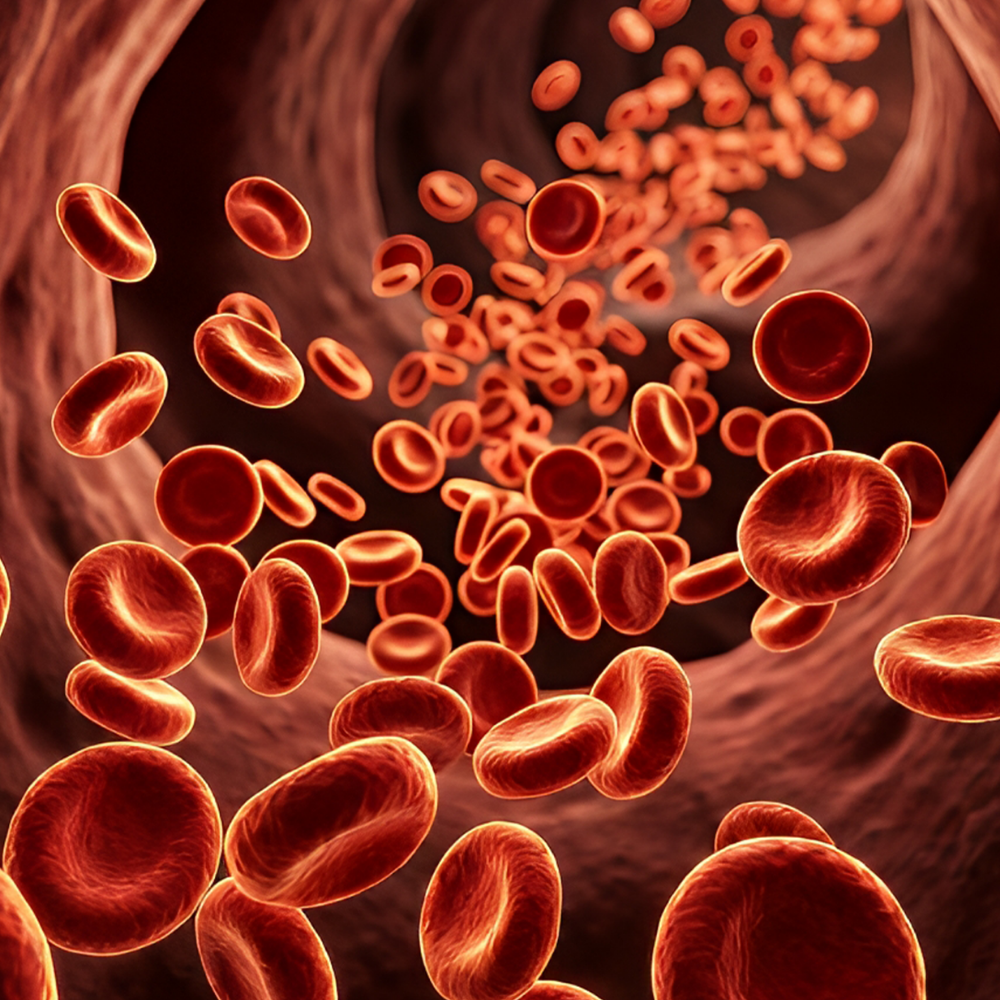
Anemia is a condition in which the blood does not have enough healthy red blood cells or enough hemoglobin to carry adequate oxygen to the body’s tissues. Hemoglobin is the protein inside red blood cells that carries oxygen from the lungs to different parts of the body.
When hemoglobin or red blood cell levels are low, the body may not receive enough oxygen — leading to symptoms such as tiredness, weakness, dizziness, headaches and shortness of breath.
Treatment depends on the underlying cause, severity, and the patient’s overall health. Iron deficiency is common, but anemia can also result from vitamin deficiencies, blood loss, chronic disease, infections, inherited blood disorders or conditions affecting red blood cell production — which is why simply taking an iron supplement isn’t appropriate for everyone.

Meet Dr. Neema Bhat - Anemia Specialist in Bangalore
Dr. Neema Bhat is a renowned Hematologist and Pediatric Oncologist in Bangalore with over 15 years of dedicated experience in diagnosing and treating complex hematological disorders, acute childhood leukemias, solid tumors, and cellular therapies.
Her clinical philosophy combines advanced precision medicine with a gentle, child-first environment to ease treatment anxiety for young patients and their families.
Precision
Diagnostics
Flow cytometry
Child-First Care
Anxiety-free gentle chemo protocols
Curative BMT
Stem cell transplant excellence
Types of Anemia
Anemia can develop when the body doesn’t produce enough red blood cells, loses blood faster than it can replace it, or destroys red blood cells faster than they’re produced. The main forms include:
- Iron Deficiency Anemia — the most common form, occurring when the body doesn’t have enough iron to produce adequate hemoglobin.
Causes include insufficient dietary iron, poor absorption, heavy menstrual bleeding, pregnancy, or blood loss from the digestive tract.
- Vitamin B12 Deficiency Anemia — B12 is needed for red blood cell production and nervous-system function.
Can result from inadequate intake, impaired absorption, or certain medical conditions.
- Folate Deficiency Anemia — another nutrient required for healthy red blood cell formation.
Low folate levels can lead to anemia in a similar way to B12 deficiency.
- Anemia of Chronic Disease — long-term conditions involving inflammation or infection.
Chronic kidney disease and other long-term illnesses can interfere with red blood cell production and iron use.
- Hemolytic Anemia — red blood cells are destroyed faster than the body can replace them.
- Aplastic Anemia — occurs when the bone marrow does not produce enough blood cells.
A different condition from nutritional anemia; may require specialist hematology care.
- Inherited Anemias — conditions such as thalassemia and sickle cell disease.
Affect hemoglobin or red blood cell production and may require long-term specialist management.
Iron deficiency is the most common nutritional cause of anemia, but not every person with anemia has an iron deficiency — this is why identifying the correct cause matters before starting treatment.
Risk Factors & Common Symptoms
Risk Factors & Causes
- Iron, B12 or folate deficiency
- Blood loss or heavy menstrual bleeding
- Chronic kidney disease or inflammation
- Infections or autoimmune conditions
- Inherited blood disorders
- Bone marrow disorders
Common Symptoms
- Tiredness and lack of energy
- Weakness and pale skin
- Dizziness or headaches
- Shortness of breath
- Fast or noticeable heartbeat
- Reduced exercise tolerance, feeling cold
Mild anemia may cause few or no symptoms. Shortness of breath and fatigue can have many other causes too — persistent or combined symptoms warrant a hematologist evaluation rather than a wait-and-see approach.
How Anemia Is Diagnosed
- Complete Blood Count (CBC) — The first and most common test – assesses hemoglobin, red blood cells and other blood components.
- Blood Smear — Examines red blood cell size, helping narrow down the likely cause.
- Bone Marrow Biopsy & Aspiration — Assess the body’s iron stores to confirm or rule out iron deficiency.
- Flow Cytometry — Checks for nutritional deficiencies affecting red blood cell production.
- Genetic & Molecular Testing — Examines blood cells under a microscope when required.
- Lumbar Puncture — Assessed based on the patient’s symptoms and medical history.
Low Iron vs. Anemia: The Difference
Low iron and anemia are related but not identical — understanding where a patient sits on this spectrum matters for treatment.
Low Iron
Depleted iron stores may exist before anemia develops. Doesn’t always mean iron-deficiency anemia is present yet.
Iron-Deficiency Anemia
Occurs when depleted iron becomes significant enough to reduce hemoglobin and red blood cell production.
Anemia Without Iron Deficiency
Can result from B12/folate deficiency, blood loss, chronic disease or inherited conditions — iron supplements won’t help here, and excess iron can be harmful.
Anemia Across Life Stages
Pediatric leukemia is not simply “adult leukemia in a smaller body” — treatment protocols reflect that.
| Life Stage | Key Evaluation | Treatment Note |
|---|---|---|
| Children | CBC, growth & symptom review | Dosed by age/weight — medical guidance required |
| Pregnancy | CBC, iron studies, nutritional assessment | Guided by pregnancy stage & individual circumstances |
| Chronic Disease | Treat the disease alongside anemia work-up | Iron alone often won’t correct it |
Treatment Options for Anemia
Treatment is built around the confirmed cause — there is no single “best medicine for anemia.”
01 Identifying the Cause
CBC and targeted testing before any treatment decision — treating the wrong cause won’t correct the anemia.
02 Iron Replacement
Oral iron is first-line for confirmed iron deficiency; IV iron may be considered when oral iron isn’t suitable or sufficient.
03 Vitamin B12 & Folate Replacement
Used when a nutritional deficiency is confirmed as the cause.
04 Treating the Source of Blood Loss
Identifying and managing bleeding, since replacing iron alone won’t help if loss continues.
05 Managing Underlying Chronic Disease
Kidney disease, inflammation or infection may need direct treatment alongside anemia care.
06 Transfusion & Specialist Care
For severe anemia or bone marrow-related causes, in selected cases.
Iron tablets may need to be taken for around six months in some patients, with repeat blood tests to monitor response (per NHS guidance) — diet can support treatment but rarely replaces it when anemia is significant.
What to Expect During Treatment
- An initial evaluation to identify the underlying cause of anemia
- CBC, haemoglobin, iron studies, ferritin and other tests when required
- Treatment targeted to the cause, such as iron, vitamin B12 or folate replacement
- Management of blood loss or an underlying chronic condition when present
- Follow-up blood tests to assess response to treatment
Life After Anemia Treatment
- Repeat blood tests to monitor haemoglobin and other relevant blood counts
- Monitoring of iron levels and iron stores when iron deficiency is involved
- Continued management when anemia is related to chronic disease or inherited conditions
- Evaluation if anemia persists, returns or does not improve as expected
- Review of previous CBC, ferritin, iron studies and treatment records when needed
When to See a Doctor About Anemia Symptoms
Consider consulting an Anemia Doctor in Bangalore if you have persistent low hemoglobin, repeatedly low red blood cell counts, unexplained fatigue, recurrent anemia despite treatment, or anemia without an identified cause — especially alongside other abnormal blood counts or a family history of inherited blood disorders. Very low hemoglobin accompanied by severe breathlessness, chest pain, fainting or active bleeding needs urgent medical attention, not self-treatment.
Get an Expert Second Opinion.
Useful when the cause of anemia is unclear, hemoglobin remains low despite treatment, iron treatment hasn’t corrected the problem, or a bone marrow disorder has been suggested.
Reports Checklist to Bring
- CBC & recent blood reports
- Ferritin, iron studies & ribbon panel
- Vitamin B12 & folate results
- Previous treatment records
Anemia Treatment Cost in Bangalore
Cost depends on the cause and severity of anemia and the investigations or treatment required — a fixed figure can’t accurately represent every patient’s needs.
What Affects Cost
- Initial consultation & CBC
- Iron studies, ferritin & vitamin testing
- Oral medication or IV iron when indicated
- Follow-up testing
Common Questions About Anemia
What is anemia?
Anemia is a condition in which the blood has too few healthy red blood cells or insufficient hemoglobin to carry oxygen effectively to the body’s tissues.
What are the common symptoms of anemia?
Tiredness, weakness, pale skin, dizziness, headaches and shortness of breath. Mild anemia may cause few or no symptoms.
What causes low hemoglobin?
Iron deficiency, vitamin deficiencies, blood loss, chronic disease, infections, inherited blood disorders, bone marrow conditions and other causes.
Is low iron the same as anemia?
No. Low iron can occur before anemia develops. Iron-deficiency anemia occurs when the deficiency becomes significant enough to reduce hemoglobin and red blood cell production.
What blood test checks for anemia?
A complete blood count (CBC) is commonly used. It measures hemoglobin and several blood components; additional tests may be needed to find the cause.
What is the best medicine for anemia?
There is no single best medicine — treatment depends on the cause. Iron is used for iron-deficiency anemia; other forms need vitamin replacement, treating blood loss, or managing chronic disease.
How is iron-deficiency anemia treated?
Generally by replacing iron and identifying the reason for the deficiency. Oral iron is common; IV iron may be considered for selected patients.
What should I do if my hemoglobin is very low?
Seek medical evaluation, particularly with severe weakness, breathlessness, chest pain, fainting, rapid heartbeat or active bleeding.
Can diet alone treat anemia?
Diet can help with nutritional deficiency, but often isn’t enough alone for significant anemia or anemia from blood loss or chronic disease.
Can anemia come back after treatment?
Yes — if the underlying cause isn’t corrected, blood loss continues, nutritional deficiency returns, or a chronic/inherited condition is responsible.
When should I see a hematologist for anemia?
When anemia is severe, recurrent, unexplained, resistant to initial treatment, or associated with abnormalities in other blood-cell counts.
What is the cost of anemia treatment in Bangalore?
Varies by cause, investigations, medicines and treatment required — a consultation with recent blood reports gives the most accurate picture.
Schedule Your Consultation with Dr. Neema Bhat
Whether you need a diagnosis, second opinion, or ongoing treatment – take the first step towards better blood health today.

+91 78997 56677
Emergency Line