
Lymphoma Treatment in Bangalore
Lymphoma is a cancer of the lymphatic system that affects abnormal lymphocytes. Specialist hematology-oncology care helps identify the lymphoma type, stage and appropriate treatment approach.
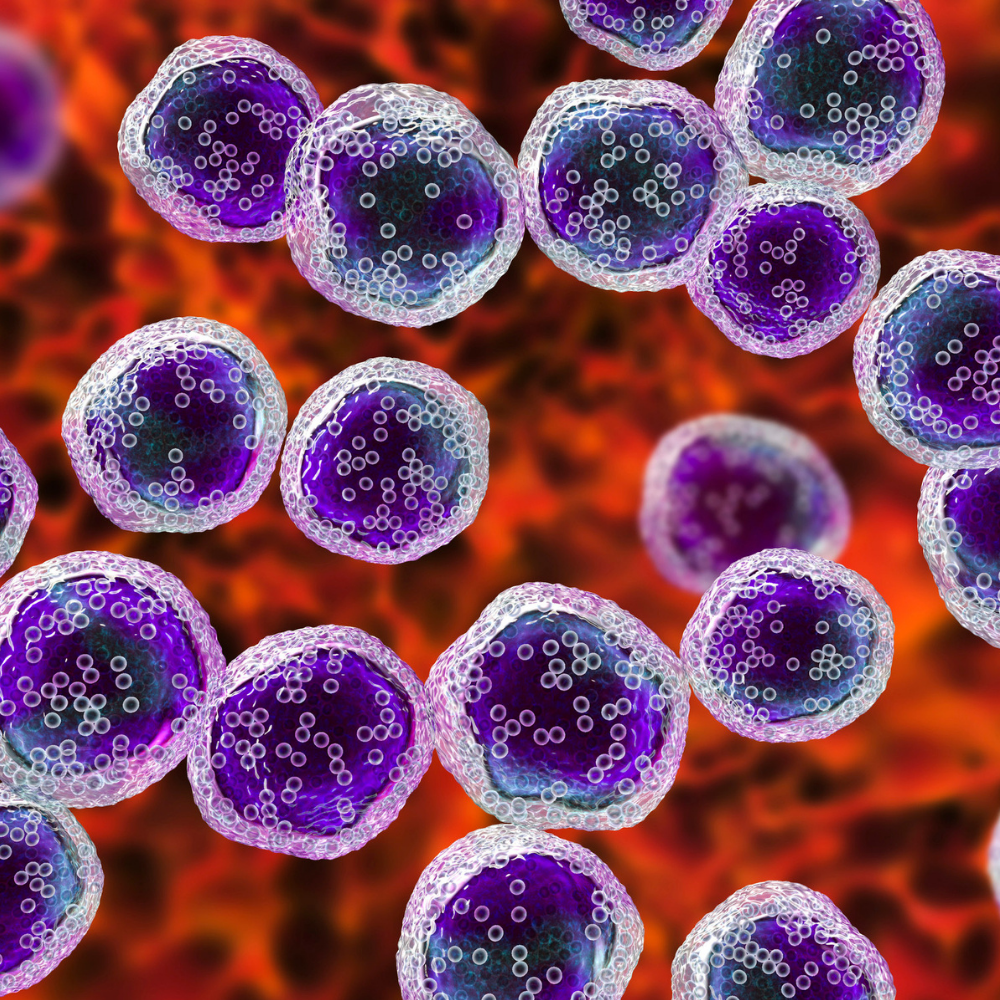
What Is Lymphoma?
Lymphoma is a type of cancer that develops in the lymphatic system, which is an important part of the body’s immune system. The lymphatic system includes lymph nodes, lymph vessels and lymphocytes, a type of white blood cell that helps the body fight infections and disease.
There are two major cancer types within lymphoma: Hodgkin lymphoma and non-Hodgkin lymphoma. Non-Hodgkin lymphoma includes many different subtypes, which can behave differently and may be either slow-growing or aggressive.
Lymphoma Treatment in Bangalore depends on the exact type and subtype of lymphoma, its stage, how quickly it is growing, where it is located, whether it has spread, the patient’s age and general health, and how the disease responds to treatment.

Meet Dr. Neema Bhat - Lymphoma Specialist in Bangalore
Dr. Neema Bhat is a renowned Hematologist and Pediatric Oncologist in Bangalore with over 15 years of dedicated experience in diagnosing and treating complex hematological disorders, acute childhood leukemias, solid tumors, and cellular therapies.
Her clinical philosophy combines advanced precision medicine with a gentle, child-first environment to ease treatment anxiety for young patients and their families.
Precision
Diagnostics
Flow cytometry
Child-First Care
Anxiety-free gentle chemo protocols
Curative BMT
Stem cell transplant excellence
Types of Lymphoma
Hodgkin Lymphoma
Hodgkin lymphoma is a cancer of the lymphatic system. It is characterised by specific abnormal cells, commonly called Reed-Sternberg cells in classical Hodgkin lymphoma.
Major categories
Classical Hodgkin lymphoma; Nodular lymphocyte-predominant Hodgkin lymphoma.
Non-Hodgkin Lymphoma
Non-Hodgkin lymphoma is a broad group of lymphatic cancers with many different subtypes.
Behaviour
Non-Hodgkin lymphoma may be slow-growing or indolent, or fast-growing or aggressive.
The treatment and prognosis vary considerably depending on the subtype, stage, location and other disease characteristics.
Risk Factors & Common Symptoms
Risk Factors & Causes
- Age: The risk of certain types of lymphoma increases with age.
- Weakened immune system: Conditions or treatments that suppress the immune system can increase the risk.
- Certain infections: Some viral and other infections have been associated with an increased risk of particular lymphoma types.
- Autoimmune conditions: Certain autoimmune disorders may be associated with a higher risk.
- Family history: Having a close family member with lymphoma may increase risk in some cases.
- Previous immune-suppressing treatment: Certain treatments that affect immune-system function may be associated with lymphoma risk.
Common Symptoms
- Painless swelling of lymph nodes in the neck, armpit or groin
- Persistent or unexplained fever
- Drenching night sweats
- Unexplained weight loss
- Persistent fatigue
- Abdominal discomfort or swelling
- Recurrent infections in some patients
Painless swollen lymph nodes are among the most common presenting features of lymphoma. However, swollen lymph nodes and many of the other symptoms can also occur with infections and other non-cancerous conditions.
How Lymphoma Is Diagnosed
Accurate diagnosis is one of the most important steps in planning lymphoma cancer treatment.
- Medical history and physical examination
- Blood tests
- Lymph node biopsy
- Histopathological examination
- Immunohistochemistry or immunophenotyping
- Bone marrow examination when indicated
- CT scan
- PET-CT
- MRI in selected situations
- Molecular or genetic testing when required
A lymph node biopsy is an important diagnostic test because examining the affected tissue helps identify the specific type of lymphoma. Additional blood tests and imaging may then be used to determine the extent and stage of the disease.
Stages & Risk Classification
After lymphoma is diagnosed, additional investigations may be performed to determine how extensively the disease has spread.
Why Classification Matters
After lymphoma is diagnosed, additional investigations may be performed to determine how extensively the disease has spread.
Staging may involve
Physical examination; Blood tests; PET-CT or CT imaging; Bone marrow evaluation in selected cases; Other disease-specific investigations.
Important factors
Subtype, stage, grade or growth rate, location, symptoms, previous treatment, overall health and disease characteristics.
Treatment Options for Lymphoma
Lymphoma Treatment is planned according to the lymphoma subtype, stage, growth rate, symptoms, location, previous treatment and overall health.
01 Chemotherapy
Chemotherapy uses medicines to destroy cancer cells or prevent them from multiplying.
When it may be used
As the primary treatment; in combination with targeted medicines; before stem cell transplantation; for relapsed lymphoma; for aggressive forms of lymphoma; or alongside other treatments depending on the lymphoma subtype.
Treatment planning
The chemotherapy regimen is selected according to the specific lymphoma type and the patient’s clinical condition.
02 IMMUNOTHERAPY & TARGETED THERAPY
Immunotherapy
Immunotherapy uses medicines that help the immune system recognise or attack cancer cells. Depending on the lymphoma subtype and treatment setting, it may be used as part of initial treatment, for relapsed disease, maintenance therapy in selected situations or for specific lymphoma subtypes.
Targeted Therapy
Targeted therapies are designed to act on specific proteins, pathways or features of lymphoma cells. These medicines may be used alone or in combination with chemotherapy or immunotherapy, depending on the lymphoma subtype.
Treatment selection
Targeted treatment selection can depend on the biological characteristics of the lymphoma and previous treatment response.
03 Radiation Therapy
Radiation therapy uses high-energy radiation to destroy cancer cells in a specific area.
When it may be used
As part of treatment for selected early-stage lymphomas; after chemotherapy in certain situations; for localised lymphoma; for selected relapsed disease; or to relieve symptoms caused by a lymphoma mass.
Side Effects
Possible side effects may include fatigue, skin changes, local irritation, temporary swelling and nausea depending on the treatment area. The radiation oncology team discusses expected side effects and supportive measures before treatment begins.
04 Bone Marrow / Stem Cell Transplant
A stem cell transplant for lymphoma may be considered for selected patients, particularly in certain relapsed or treatment-resistant situations.
Assessment before transplant
Lymphoma subtype, previous treatment, response to treatment, overall health, age and fitness, disease status and transplant eligibility.
Stem cell transplantation may be used for selected Hodgkin and non-Hodgkin lymphoma patients when other treatment approaches have not provided adequate disease control.
The term bone marrow transplant is sometimes used interchangeably with stem cell transplant, although the stem cells used for transplantation can come from different sources.
What to Expect During Treatment
- Initial diagnosis and lymphoma classification
- Staging and disease assessment
- Treatment planning based on lymphoma subtype and disease characteristics
- Active treatment with close monitoring
- Supportive care for treatment-related complications
- Assessment of treatment response
- Further treatment or transplantation when indicated
- Long-term follow-up
Life After Lymphoma Treatment
- Management of treatment-related side effects
- Infection prevention and treatment
- Nutrition support
- Pain management
- Management of anemia
- Emotional and psychological support
- Fertility counselling where appropriate
- Rehabilitation and physical activity guidance
- Monitoring during and after treatment
When to See a Doctor About Lymphoma Symptoms
- Persistent painless swelling of lymph nodes
- Unexplained weight loss
- Recurrent or persistent fever
- Drenching night sweats
- Persistent unexplained fatigue
- Unexplained itching
- Abnormal blood-test results
- A biopsy suggesting lymphoma
- A confirmed diagnosis of lymphoma
- Lymphoma that has returned after treatment
Not every swollen lymph node indicates lymphoma. Infections are a much more common cause of swollen lymph nodes. However, persistent or unexplained swelling should be evaluated by a medical professional.
Get an Expert Second Opinion.
The exact lymphoma subtype, pathology and biopsy findings, disease stage, recommended treatment, alternative treatment approaches, expected benefits and risks, need for radiation therapy, whether stem cell transplantation may be appropriate, and options for relapsed or refractory disease.
Reports Checklist to Bring
- Biopsy reports
- Pathology slides or blocks when available
- PET-CT reports
- Blood-test results
Cost of Lymphoma Treatment in Bangalore
The Lymphoma Treatment Cost in Bangalore varies significantly depending on the type of lymphoma, stage and treatment plan.
What Affects Cost
- Type and subtype of lymphoma
- Stage of disease
- Chemotherapy regimen
- Targeted medicines
- Immunotherapy
- Radiation therapy
- Stem cell transplantation
- Diagnostic investigations
- Management of treatment-related complications
Common Questions About Lymphoma
Is lymphoma a type of blood cancer?
Yes. Lymphoma is generally classified as a blood or hematologic cancer because it develops from lymphocytes, which are blood-forming and immune-system cells.
What is the difference between Hodgkin and non-Hodgkin lymphoma?
Hodgkin and non-Hodgkin lymphoma are two broad categories of lymphoma. Hodgkin lymphoma has characteristic features such as Reed-Sternberg cells in classical disease, while non-Hodgkin lymphoma includes many different subtypes with varying behaviour and treatment approaches.
How is lymphoma diagnosed?
Diagnosis usually involves a biopsy of an affected lymph node or tissue, supported by blood tests, imaging and other laboratory investigations. Additional tests help identify the exact subtype and stage.
Is lymphoma curable?
Some types of lymphoma can be cured, while others can be controlled for long periods. The outlook depends on the lymphoma subtype, stage, response to treatment and individual patient factors.
What is the best treatment for lymphoma?
There is no single treatment that is best for every patient. Treatment may include chemotherapy, immunotherapy, targeted therapy, radiation therapy, stem cell transplantation or active surveillance, depending on the lymphoma type and individual circumstances.
Does lymphoma always require chemotherapy?
No. Some patients may receive radiation therapy, targeted medicines, immunotherapy or other treatments. Selected patients with slow-growing lymphoma may initially be monitored without immediate treatment.
Is radiation therapy used for lymphoma?
Yes. Radiation therapy can be used for selected Hodgkin and non-Hodgkin lymphoma patients depending on the subtype, stage, location and treatment plan.
When is stem cell transplantation used for lymphoma?
Stem cell transplantation may be considered for selected patients, particularly when lymphoma returns or does not respond adequately to previous treatment. Suitability depends on the lymphoma subtype, previous treatment, disease response and overall health.
What is the cost of lymphoma treatment in Bangalore?
The cost depends on the lymphoma subtype, stage, medicines, treatment duration, radiation, transplantation, hospitalisation and management of complications. A personalised treatment assessment is needed for a more accurate estimate.
Can I get a second opinion for lymphoma treatment?
Yes. A second opinion can help patients understand their lymphoma subtype, stage, recommended treatment, alternatives and potential benefits and risks before proceeding.
Schedule Your Consultation with Dr. Neema Bhat
Whether you need a diagnosis, second opinion, or ongoing treatment – take the first step towards better blood health today.

+91 78997 56677
Emergency Line