
Bone Marrow Transplantation in Bangalore
Specialist hematology and oncology consultation for patients being evaluated for stem cell transplantation — with careful preparation, coordinated care and compassionate guidance.
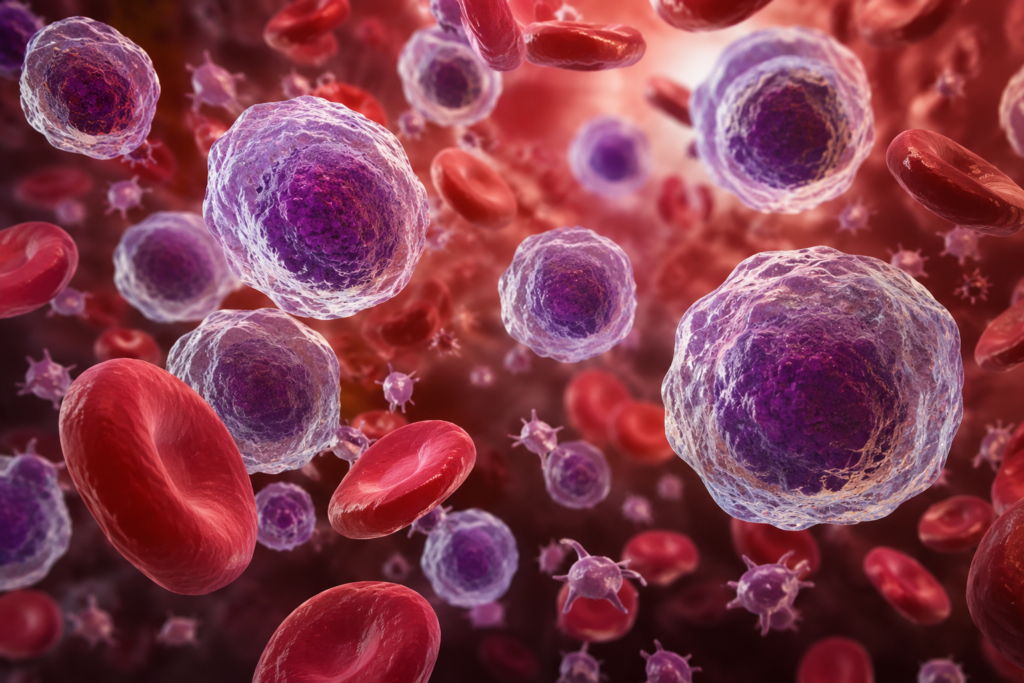
What Is Bone Marrow Transplantation?
Bone marrow transplantation, also known as a stem cell transplant or hematopoietic stem cell transplantation (HSCT), is a treatment in which unhealthy or damaged blood-forming stem cells are replaced with healthy stem cells. Bone marrow is the soft, spongy tissue inside certain bones where stem cells develop into red blood cells, white blood cells and platelets.
Bone Marrow Transplantation may be recommended for selected patients with blood cancers, bone marrow disorders, inherited blood conditions and certain diseases affecting blood-cell production or the immune system. The aim is to restore healthy blood-cell production and, depending on the condition, achieve long-term disease control or remission.
A bone marrow transplant is not simply a single procedure. It involves several stages, including pre-transplant assessment, stem cell collection, conditioning treatment, stem cell infusion, engraftment and close monitoring during recovery.

Meet Dr. Neema Bhat - Leukemia Specialist in Bangalore
Dr. Neema Bhat is a renowned Hematologist and Pediatric Oncologist in Bangalore with over 15 years of dedicated experience in diagnosing and treating complex hematological disorders, acute childhood leukemias, solid tumors, and cellular therapies.
Her clinical philosophy combines advanced precision medicine with a gentle, child-first environment to ease treatment anxiety for young patients and their families.
Precision
Diagnostics
Flow cytometry
Child-First Care
Anxiety-free gentle chemo protocols
Curative BMT
Stem cell transplant excellence
Types of Bone Marrow Transplantation
Bone marrow transplantation can broadly be divided into autologous and allogeneic transplantation. A haploidentical transplant may provide an option for selected patients when a fully matched donor is not available.
- Autologous :
The patient’s own healthy stem cells are collected and stored before intensive treatment. After conditioning therapy, they are returned to the patient’s bloodstream. An autologous transplant may be considered for selected conditions such as multiple myeloma and certain lymphomas.
- Allogeneic:
Healthy stem cells come from another person, such as a matched sibling, another family member or an appropriately matched unrelated donor. Donor compatibility is an important part of planning.
- Haploidentical:
Stem cells come from a partially matched family donor. This can provide a transplant option when a fully matched donor is not available. Suitability depends on disease, donor availability, health and the transplant team’s assessment.
Risk Factors & Common Symptoms
Risk Factors & Causes
- Increased Risk of Infections
- Low Blood Counts
- Bleeding or Bruising
- Fatigue
- Nausea & Vomiting
- Mouth & Throat Inflammation
- Diarrhoea
- Fertility Problems
- Blood Clots
- Graft-versus-Host Disease (GvHD)
Evaluation Before Bone Marrow Transplantation
- Complete Blood Tests
- Bone Marrow Examination
- Imaging Investigations
- Heart Assessment (ECG, Echo)
- Lung Evaluation
- Kidney & Liver Function Tests
- Infection Screening
- Genetic / Molecular Testing
- HLA & Donor Matching
- Treatment Response Assessment
Not every symptom means leukemia — many overlap with far more common conditions. But persistent or combined symptoms, especially alongside abnormal blood counts, warrant a hematologist evaluation rather than a wait-and-see approach.
Who May Need a Bone Marrow Transplant?
- Exact Diagnosis
- Disease Stage & Risk Category
- Response to Previous Treatment
- Bone Marrow Status
Donor Availability
Heart, Lung, Liver & Kidney Function
Infection Status
Previous Cancer Treatment
Age & General Fitness
Potential Benefits & Risks
Overall Physical Health
Bone Marrow Transplant for Blood Cancer
Bone marrow transplantation is an important treatment option for selected blood cancers. The role of transplantation differs significantly between leukemia, lymphoma and multiple myeloma — a hemato-oncologist evaluates disease characteristics and previous treatment before recommending whether transplantation may be appropriate.
Leukemia
May be considered for selected patients with high-risk or relapsed leukemia, depending on subtype and response to treatment. For appropriate patients, an allogeneic transplant can offer long-term disease control because donor immune cells may contribute to an anti-cancer effect. Timing is individualised based on disease status, treatment response, donor availability and fitness for transplantation.
Lymphoma
Selected patients with lymphoma may be considered for high-dose treatment followed by stem cell transplantation, particularly in certain relapsed or treatment-resistant situations. The approach depends on the lymphoma subtype, previous treatment, response to treatment and overall health.
Multiple Myeloma
Generally refers to an autologous stem cell transplant in appropriately selected patients — the patient’s own stem cells are collected before intensive treatment and returned after conditioning therapy. Suitability depends on age, overall health, disease characteristics and response to initial treatment.
Aplastic Anemia & Other Disorders
Transplantation may also be considered for selected non-cancerous bone marrow disorders, including severe aplastic anemia, thalassemia and sickle cell disease. The treatment approach differs from cancer transplantation because the underlying condition, donor availability and clinical status influence the plan.
Bone Marrow Transplant Procedure: Step-by-Step
Leukemia treatment is built around the specific type and stage of disease, and often combines more than one approach. Here’s what each option involves.
01 Pre-Transplant Assessment
Medical evaluation, disease assessment and donor matching when an allogeneic transplant is being considered.
02 Stem Cell Collection
For autologous transplants, the patient’s own cells are collected and stored; for allogeneic, cells come from a suitable donor — from peripheral blood or bone marrow.
03 Conditioning Therapy
Chemotherapy, with or without radiation, prepares the body for transplanted stem cells and helps eliminate abnormal blood-forming and cancer cells.
04 Stem Cell Infusion
Collected stem cells are given through an IV line, similar to a blood transfusion, and does not usually require general anaesthesia.
05 Engraftment
Transplanted stem cells travel to the bone marrow and begin producing new blood cells, with blood counts monitored closely.
06 Monitoring & Supportive Care
Blood counts can remain low with a weakened immune system, requiring close monitoring, infection prevention, medicines and transfusions.
What to Expect During Treatment
- An initial intensive induction phase to bring the disease into remission
- Regular blood counts and bone marrow checks to track response
- A consolidation, and sometimes maintenance, phase to reduce relapse risk
- Coordinated supportive care for side effects during treatment
- Long-term follow-up after treatment ends, especially for children
Life After Leukemia Treatment
- Regular blood tests to monitor for signs of relapse
- Periodic check-ins for lingering chemo or transplant side effects
- Vaccination catch-up, particularly for pediatric patients
- Long-term monitoring for late effects in children
- Emotional and psychological support through the transition
When to See a Doctor About Leukemia Symptoms
See a hematologist promptly if you notice persistent fatigue, unexplained bruising or bleeding, recurrent infections, or bone pain without an obvious cause — especially alongside abnormal results on a routine blood test. Leukemia is not something to self-diagnose from symptoms alone, but persistent or combined symptoms deserve a specialist evaluation.
Get an Expert Second Opinion.
A second opinion can be useful when a patient has been advised to undergo transplantation, particularly to understand why it has been recommended, which transplant type is being considered, and whether other treatment options may be available. A second-opinion consultation can help review:
Reports Checklist to Bring
- Diagnosis & Disease Status
- Bone Marrow Reports
- Pathology Reports
- Proposed Transplant Type
- Imaging & Lab Investigations
Bone Marrow Transplant Cost in Bangalore
The cost can vary considerably between patients because transplantation involves multiple stages and different levels of medical and supportive care.
What Affects Cost
- Type of Transplant
- Donor Requirements
- Stem Cell Collection
- Blood & Platelet Transfusions
- Conditioning Treatment
- Need for Intensive Care
- Complication Management
Common Questions About Bone Marrow Transplantation
What is a bone marrow transplant?
A bone marrow transplant replaces damaged or abnormal blood-forming stem cells with healthy stem cells. The stem cells may come from the patient or a donor depending on the type of transplant.
Is bone marrow transplant the same as stem cell transplant?
The terms are often used interchangeably. Stem cells can be collected from peripheral blood or bone marrow, and in selected settings from cord blood. The broader medical term is hematopoietic stem cell transplantation.
Who needs a bone marrow transplant?
Selected patients with leukemia, lymphoma, multiple myeloma, aplastic anemia, thalassemia, sickle cell disease and other serious blood or immune-system disorders may be considered. Not every patient with these conditions requires a transplant.
What is the difference between autologous and allogeneic transplantation?
An autologous transplant uses the patient’s own stem cells, while an allogeneic transplant uses stem cells from another person who is sufficiently compatible with the recipient.
Is bone marrow transplant a surgery?
The stem cell infusion itself is generally not a surgical procedure — it’s given through an IV line, similar to a blood transfusion. Bone marrow collection from a donor may involve a procedure under anaesthesia when that method is used.
What are the risks of a bone marrow transplant?
Possible risks include infections, low blood counts, bleeding, fatigue, nausea, vomiting, gastrointestinal problems and, after donor transplantation, graft-versus-host disease. Risks vary by condition and transplant type.
What is the cost of bone marrow transplantation in Bangalore?
The cost varies according to the transplant type, underlying disease, conditioning treatment, hospitalisation, donor requirements, medicines and management of complications. A patient-specific estimate requires assessment of the proposed treatment plan.
Can I get a second opinion before a bone marrow transplant?
Yes. A second opinion can help patients and families understand the diagnosis, transplant recommendation, available alternatives, potential risks and expected treatment pathway before making a decision.
Schedule Your Consultation with Dr. Neema Bhat
Whether you need a diagnosis, second opinion, or ongoing treatment – take the first step towards better blood health today.

+91 78997 56677
Emergency Line

Quick Links
- Home
- About
- Contact
Treatments
- Anemia
- Lymphoma
- Pediatric Oncology
- Multiple Myeloma
- Bone Marrow Transplantation
- Hematology
Location
585, 2nd Main Rd, 2nd Phase, Hosakerehalli Layout, Banashankari 3rd Stage, Banashankari, Bengaluru, Karnataka 560085
+91 78997 56677