
Anemia Treatment in Bangalore
Anemia means your blood has fewer healthy red blood cells or less hemoglobin than it needs, so less oxygen reaches your body and you feel tired, weak or breathless. Most anemia is treatable once the cause is found, and that is where the right anemia treatment in Bangalore begins.
Overview
What is anemia?
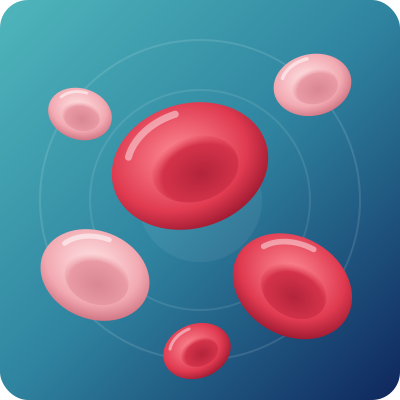
Your red blood cells carry oxygen from your lungs to every part of your body. They use a protein called hemoglobin to do this. When hemoglobin drops below the healthy level, your organs get less oxygen. This is anemia.
Anemia is very common in our state. About 48 out of every 100 women and two out of three young children in Karnataka have anemia (NFHS-5). Many people live with it for years, thinking tiredness is “normal”. It is not, and with timely anemia treatment in Bangalore, you don’t have to put up with it.
When is it anemia?
According to the World Health Organization, you have anemia if your hemoglobin is below:
| Who | Hemoglobin below |
|---|---|
| Adult men | 13 g/dL |
| Adult women (not pregnant) | 12 g/dL |
| Pregnant women | 11 g/dL |
| Children (6 months to 5 years) | 11 g/dL |
Anemia can be mild, moderate or severe. Even mild anemia is worth checking, because it is often an early sign of another problem.
Signs & symptoms
Common signs of anemia
Anemia often develops slowly, so many people don’t notice it at first. Watch for:
- Constant tirednessFeeling tired or weak all the time
- PalenessPale skin, lips or inner eyelids
- BreathlessnessOn stairs or while walking
- Fast heartbeatA fast or uneven heartbeat
- DizzinessHeadaches or feeling light-headed
- Cold hands & feetEven in normal weather
- Brittle nails, hair fallWeak nails and thinning hair
- Poor focusTrouble concentrating at work or school
- Unusual cravingsIce, mud or chalk, a sign of low iron
Anemia symptoms in women
Women are more likely to have anemia because of monthly periods, pregnancy and breastfeeding. Heavy periods, constant tiredness and hair fall are common clues.
Anemia symptoms in children
Children may look pale, eat poorly, get irritable, fall sick often or grow more slowly. Dr. Neema Bhat is a US board-certified pediatrician and pediatric hematologist, so children with anemia get specialised care.
See a doctor urgently if you have chest pain, fainting, severe breathlessness, or black or bloody stools.
Causes
What causes anemia?
Anemia is not one disease. It is a sign that something is wrong. The common causes are:
- Low iron, vitamin B12 or folate
From diet, poor absorption, or vegetarian diets low in B12.
- Blood loss
Heavy periods, piles, stomach ulcers, or slow bleeding in the gut.
- Pregnancy
The growing baby needs extra iron.
- Long-term illnesses
Kidney disease, thyroid problems, diabetes, arthritis or infections.
- Inherited blood conditions
Thalassemia and sickle cell disease.
- Red cells breaking down early
Called hemolytic anemia.
- Bone marrow problems
Aplastic anemia, or blood cancers like leukemia and myeloma.
- Certain medicines
Some long-term medicines or chemotherapy.
Who is at risk of anemia?
Anyone can get anemia, but the risk is higher for:
- Women with heavy periods, and pregnant or breastfeeding women
- Babies, young children and teenagers, who grow fast and need more iron
- Vegetarians and vegans, who may get too little vitamin B12
- Adults over 65
- People with kidney disease, diabetes, thyroid problems, IBD or celiac disease
- People who have had stomach or weight-loss surgery
- People who take painkillers (NSAIDs), acid-reducing tablets or metformin for a long time
- People with worm infections, which can cause slow blood loss
- Anyone with a family history of thalassemia or sickle cell disease
What happens if anemia is left untreated?
Mild anemia may feel like simple tiredness, but over time it can cause serious problems:
- Heart strain: the heart pumps harder to deliver oxygen, which can lead to an enlarged heart or heart failure.
- Pregnancy problems: higher risk of preterm birth, low birth weight and heavy bleeding during delivery.
- Slower growth in children: delayed growth, poor school performance and frequent infections.
- Weak immunity and low energy: that affect work and daily life.
- A missed diagnosis: anemia can be the first sign of hidden bleeding, kidney disease or a blood cancer.
Types
Types of anemia we treat
Iron deficiency anemia
The most common type. The body lacks iron to make hemoglobin.
Vitamin B12 & folate deficiency
Megaloblastic and pernicious anemia. Low B12 or folate makes red cells large and weak. Common in vegetarians.
Anemia of chronic disease
Caused by long-term kidney, liver or inflammatory illness.
Hemolytic anemia
Including autoimmune. Red cells are destroyed faster than the body can replace them.
Thalassemia
An inherited condition where the body makes faulty hemoglobin.
Sickle cell anemia
Inherited; red cells become sickle-shaped and block blood flow.
Aplastic anemia
The bone marrow stops making enough blood cells.
Sideroblastic anemia
The body cannot use iron properly to make hemoglobin.
Anemia in pregnancy & children
Special care for mothers-to-be, babies and teenagers.
Diagnosis
How is anemia diagnosed?
Finding the right cause is the most important step. Dr. Neema Bhat may advise some of these anemia blood tests:
- 01Complete Blood Count (CBC)
Checks hemoglobin and the size and number of red cells.
- 02Peripheral blood smear
Looks at your blood cells under a microscope.
- 03Iron studies
Serum iron, ferritin and TIBC to measure iron stores.
- 04Vitamin B12 and folate levels
To find vitamin deficiencies.
- 05Reticulocyte count
Shows whether your bone marrow is making new cells.
- 06Hemoglobin electrophoresis / HPLC
To check for thalassemia or sickle cell.
- 07Kidney, liver and thyroid tests
To look for long-term illnesses behind the anemia.
- 08Stool test or endoscopy
If hidden bleeding is suspected.
- 09Bone marrow test
Only when needed, for aplastic anemia or blood cancers.
Treatment
Anemia treatment options in Bangalore
Your anemia treatment in Bangalore depends on the type and cause of your condition. Dr. Neema Bhat creates a plan for you that may include:
Iron tablets or syrup
The usual iron deficiency anemia treatment for mild to moderate cases.
IV iron infusion
A faster option when tablets cause stomach upset, don’t work, or iron is needed quickly, for example in pregnancy or before surgery.
Vitamin B12 & folic acid
B12 injections or tablets and folic acid for B12 and folate deficiency.
Treating the root cause
Such as heavy periods, gut bleeding, thyroid or kidney problems, with the right specialist.
Immune-calming medicines
For autoimmune hemolytic anemia.
Blood transfusion
Only for severe anemia or emergencies.
Transfusion & iron chelation
Regular transfusions with iron chelation for thalassemia.
Immunosuppressive therapy
For aplastic anemia.
Bone marrow (stem cell) transplant
A possible cure for thalassemia, sickle cell disease and severe aplastic anemia. Learn more
Diet & lifestyle advice
Simple Indian food choices to keep your hemoglobin healthy.
Do not start iron tablets on your own for a long time. Too much iron can harm the body, and the tablets may hide a more serious cause.
Foods that help treat and prevent anemia
Food supports treatment but rarely fixes anemia alone. Include:
- Iron-rich foods: ragi, green leafy vegetables (palak, methi, drumstick leaves), dals, rajma, chana, jaggery, dates, eggs, chicken, fish and meat.
- Vitamin C with meals: lemon, amla, orange or guava help your body absorb iron.
- Vitamin B12 sources: milk, curd, paneer, eggs and fish.
- Avoid tea or coffee within one hour of meals: it reduces iron absorption.
Prevention & carrier testing
India’s national Anemia Mukt Bharat programme gives free iron and folic acid tablets to children, teenagers, and pregnant and breastfeeding women through government health centres.
Inherited anemias such as thalassemia cannot be prevented with food. A simple thalassemia carrier test (HPLC) before marriage or pregnancy shows whether a couple could pass on the condition. If both partners are carriers, each child has a 1 in 4 chance of thalassemia major, so early counselling helps families plan.
About the doctor
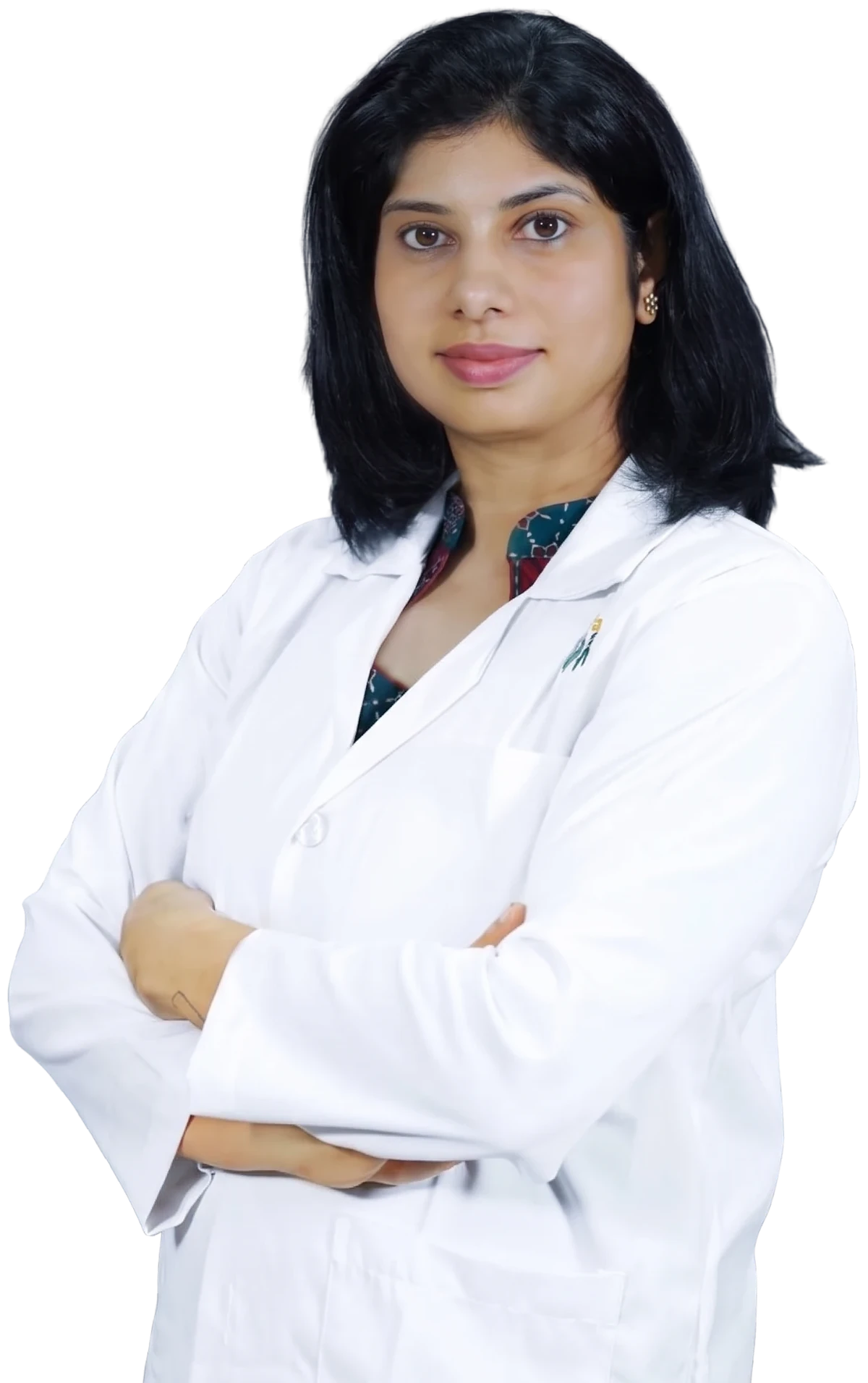
Dr. Neema Bhat
- SpecialityHematologist, Pediatric Oncologist & Bone Marrow Transplant Specialist
- EducationMD (USA) · Fellowship (FAAP) in Pediatric Hematology, Oncology & Bone Marrow Transplantation, Penn State Health, USA
Dr. Neema Bhat is a Haemato-Oncologist in Bangalore with more than ten years of experience treating blood disorders and blood cancers in children and adults. For anemia, she looks for the exact reason your hemoglobin is low and treats that cause, with clear explanations at every step.
FAQs
Quick answers to the questions patients ask most about anemia and its treatment.
01Which doctor should I see for anemia in Bangalore?
A hematologist (blood specialist) is the right doctor for anemia that is moderate, severe, keeps coming back, or does not improve with iron tablets. Dr. Neema Bhat is a US-trained hematologist in Bangalore who treats all types of anemia in adults and children.
02What hemoglobin level is considered anemia?
The WHO defines anemia as hemoglobin below 13 g/dL in men, below 12 g/dL in non-pregnant women, and below 11 g/dL in pregnant women and young children.
03Can anemia be cured permanently?
Yes, most anemias caused by low iron, B12 or folate can be cured once the cause is corrected. Inherited types like thalassemia need long-term care, and some can be cured with a bone marrow transplant.
04How long does anemia treatment take?
Most people with iron deficiency feel better in 2 to 3 weeks, and hemoglobin returns to normal in about 2 months. Treatment usually continues for a few more months to rebuild iron stores.
05What is the fastest way to treat anemia?
The fastest safe treatment depends on the cause. For iron deficiency, an IV iron infusion can raise iron levels much faster than tablets. Blood transfusion is used only for severe anemia or emergencies.
06Can anemia be treated without a blood transfusion?
Yes. Most patients are treated with iron tablets, IV iron, vitamin B12 or folic acid, and by fixing the root cause. Transfusions are needed only in severe or special cases.
07Does seeing a hemato-oncologist for anemia mean I have cancer?
No. A hemato-oncologist treats all blood problems: common ones like anemia as well as blood cancers. Most anemia is caused by low iron or vitamins. Seeing a blood specialist simply means the cause is found faster and treated correctly.
08Can anemia come back after treatment?
It can, if the underlying cause, such as heavy periods, a poor diet or slow bleeding in the gut, is not fixed. Regular follow-up blood tests help prevent this.
09How much does anemia treatment in Bangalore cost?
Most anemia treatment, such as blood tests and iron or vitamin supplements, is affordable. Costs rise only for IV infusions, transfusions or specialised treatments. The clinic can share an estimate after your first consultation.
10Can children and pregnant women get anemia treatment?
Yes. Dr. Neema Bhat is a US board-certified pediatrician and hematologist, and she treats anemia in babies, children, teenagers and pregnant women with safe, age-appropriate care.
Tired of feeling tired?
Get your hemoglobin checked and find the real cause. Book a consultation for anemia treatment in Bangalore with Dr. Neema Bhat today.
- +91 78997 56677 · Call or WhatsApp
Medical disclaimer: This page is for general information only and is not a substitute for medical advice. Please consult a doctor for diagnosis and treatment.