Leukemia Treatment in Bangalore
Expert diagnosis and treatment for acute and chronic leukemias in children and adults – combining precision diagnostics, internationally trained protocols, and compassionate, closely monitored care.
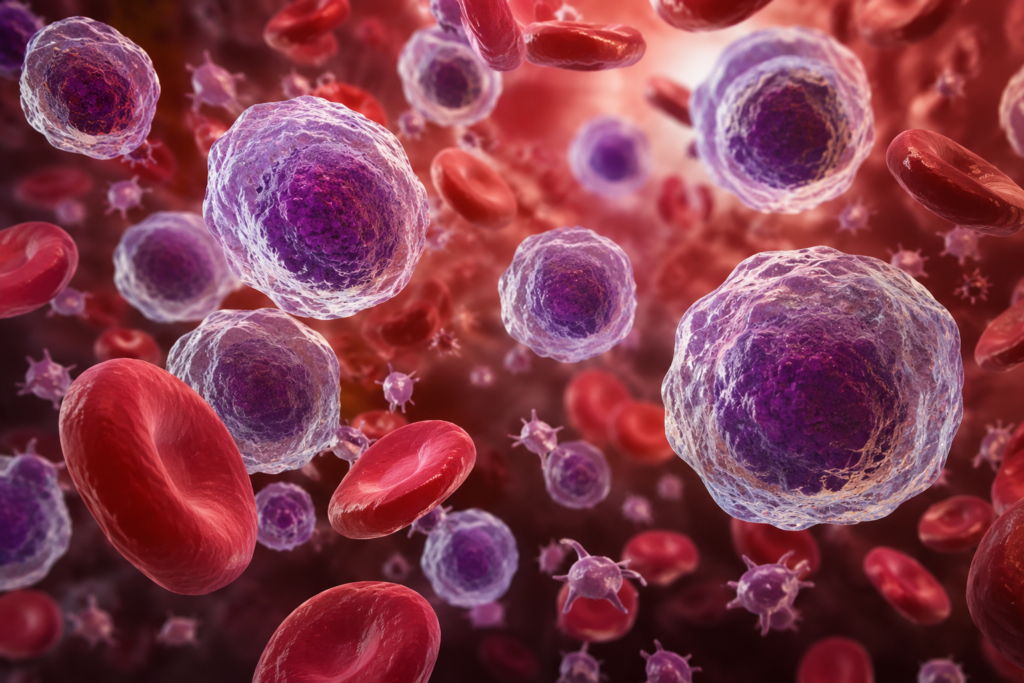
What Is Leukemia?
Leukemia is a cancer of the blood and bone marrow that causes the body to produce abnormal white blood cells, crowding out healthy cells and impairing the body’s ability to fight infection, carry oxygen, and control bleeding.
Unlike solid tumors that form in one location, leukemia affects the blood and marrow throughout the body – which is why early diagnosis through routine blood work is often how it’s first detected, sometimes before other symptoms appear.

Meet Dr. Neema Bhat - Leukemia Specialist in Bangalore
Dr. Neema Bhat is a renowned Hematologist and Pediatric Oncologist in Bangalore with over 15 years of dedicated experience in diagnosing and treating complex hematological disorders, acute childhood leukemias, solid tumors, and cellular therapies.
Her clinical philosophy combines advanced precision medicine with a gentle, child-first environment to ease treatment anxiety for young patients and their families.
Precision
Diagnostics
Flow cytometry
Child-First Care
Anxiety-free gentle chemo protocols
Curative BMT
Stem cell transplant excellence
Types of Leukemia
Leukemia is classified by how quickly it progresses (acute or chronic) and which type of white blood cell it affects (lymphocytic or myeloid). The four major types are:
- Acute Lymphoblastic Leukemia (ALL) — the most common cancer in children, though it also occurs in adults. Progresses quickly and requires prompt treatment.
- Acute Myeloid Leukemia (AML) — can occur at any age but is more common in adults. Also progresses rapidly.
- Chronic Lymphocytic Leukemia (CLL) — typically affects older adults, progresses slowly, and is sometimes monitored before active treatment begins.
- Chronic Myeloid Leukemia (CML) — usually diagnosed in adults, often associated with a specific genetic marker (the Philadelphia chromosome), and frequently managed with targeted oral therapy.
ALL is notable as the single most common cancer diagnosed in children, which is why pediatric-specific expertise matters when seeking leukemia treatment in Bangalore for a child – treatment protocols, drug dosing, and long-term monitoring differ significantly between a child and an adult with the same leukemia subtype.
Risk Factors & Common Symptoms
Risk Factors & Causes
- Genetic conditions such as Down syndrome
- Family history of leukemia
- Prior chemotherapy or radiation exposure
- Exposure to certain chemicals, such as benzene
- Smoking — linked to modestly higher AML risk
- Certain blood disorders, such as myelodysplastic syndromes
Common Symptoms
- Persistent fatigue or weakness that doesn't improve with rest
- Unexplained bruising or bleeding, frequent nosebleeds
- Frequent or recurring infections
- Bone or joint pain
- Swollen lymph nodes in neck, underarm, or groin
- Unexplained weight loss, pale skin, night sweats
Not every symptom means leukemia — many overlap with far more common conditions. But persistent or combined symptoms, especially alongside abnormal blood counts, warrant a hematologist evaluation rather than a wait-and-see approach.
How Leukemia Is Diagnosed
- Complete Blood Count (CBC) — often the first test to flag abnormal white cell counts.
- Blood Smear — examines blood cells under a microscope for abnormal shapes or immature cells.
- Bone Marrow Biopsy & Aspiration — the definitive diagnostic test, examining marrow tissue directly.
- Flow Cytometry — identifies specific leukemia cell markers to determine subtype.
- Genetic & Molecular Testing — detects chromosomal changes, such as the Philadelphia chromosome in CML.
- Lumbar Puncture — used in some cases to check whether leukemia has spread to the central nervous system.
Stages & Risk Classification
Leukemia isn’t staged with the traditional numbered-stage system. Instead, it’s classified by risk group, which determines treatment intensity.
Low-Risk / Standard-Risk
Typically associated with better response to standard treatment protocols.
High-Risk
Based on age, white cell count, genetic markers, and response speed to initial treatment.
Relapsed / Refractory
Leukemia that has returned or didn’t respond to therapy — often needing more intensive approaches.
Leukemia in Children vs. Adults
Pediatric leukemia is not simply “adult leukemia in a smaller body” — treatment protocols reflect that.
| Pediatric Leukemia | Adult Leukemia | |
|---|---|---|
| Most Common Type | Acute Lymphoblastic Leukemia (ALL) | Acute Myeloid Leukemia (AML) and CLL |
| Typical Progression | Often aggressive but highly treatable | Varies widely by subtype |
| Treatment Approach | Pediatric-specific chemotherapy, closely monitored dosing | Protocols adjusted for adult physiology & comorbidities |
| Long-Term Outlook | Generally high remission rates | Depends heavily on subtype and age at diagnosis |
| Specialist Needed | Pediatric hematologist-oncologist | Hematologist-oncologist |
Treatment Options for Leukemia
Leukemia treatment is built around the specific type and stage of disease, and often combines more than one approach. Here’s what each option involves.
01 Chemotherapy
The primary treatment for most leukemia types, using drugs to destroy leukemia cells. Typically given in phases — induction to bring the disease into remission, consolidation to eliminate remaining cells, and sometimes a longer maintenance phase — spanning several weeks to many months depending on subtype and response.
02 Targeted Therapy
Drugs designed to act on specific genetic or molecular abnormalities within leukemia cells, rather than affecting all rapidly dividing cells. Tyrosine kinase inhibitors, for example, are used for CML. Because it’s more selective, targeted therapy often causes fewer side effects and can sometimes be taken as a daily oral tablet.
03 Radiation Therapy
Used less frequently than chemotherapy in leukemia care, radiation may be recommended when leukemia has spread to the central nervous system, or as part of the conditioning process that prepares the body for a bone marrow or stem cell transplant.
04 Bone Marrow / Stem Cell Transplant
Considered for high-risk or relapsed leukemia, a transplant replaces diseased bone marrow with healthy stem cells from a matched donor, allowing the body to begin producing normal blood cells again. Often the treatment with the greatest potential for long-term remission in appropriate candidates.
05 Immunotherapy
A newer category of treatment that works by helping the body’s own immune system recognize and target leukemia cells more effectively. Sometimes used for certain relapsed or high-risk cases, either alone or alongside other treatments.
06 Supportive Care & Transfusions
Runs alongside primary treatment throughout the course of care — blood and platelet transfusions, infection prevention, and active management of side effects, allowing patients to tolerate more intensive treatment phases safely.
What to Expect During Treatment
- An initial intensive induction phase to bring the disease into remission
- Regular blood counts and bone marrow checks to track response
- A consolidation, and sometimes maintenance, phase to reduce relapse risk
- Coordinated supportive care for side effects during treatment
- Long-term follow-up after treatment ends, especially for children
Life After Leukemia Treatment
- Regular blood tests to monitor for signs of relapse
- Periodic check-ins for lingering chemo or transplant side effects
- Vaccination catch-up, particularly for pediatric patients
- Long-term monitoring for late effects in children
- Emotional and psychological support through the transition
When to See a Doctor About Leukemia Symptoms
See a hematologist promptly if you notice persistent fatigue, unexplained bruising or bleeding, recurrent infections, or bone pain without an obvious cause — especially alongside abnormal results on a routine blood test. Leukemia is not something to self-diagnose from symptoms alone, but persistent or combined symptoms deserve a specialist evaluation.
Get an Expert Second Opinion.
A leukemia diagnosis or recommended treatment plan is a reasonable thing to seek a second opinion on — particularly for high-risk cases, relapsed leukemia, or when a bone marrow transplant is being considered.
Reports Checklist to Bring
- Complete Blood Count (CBC) & Peripheral Smear
- Bone Marrow Biopsy & Flow Cytometry
- Cytogenetics / Molecular Testing Reports
- PET-CT / MRI Scans & Prior Chemo Chart
Cost of Leukemia Treatment in Bangalore
Cost varies significantly based on leukemia type & stage, treatment modality, duration of care, and insurance coverage. For an accurate estimate specific to your diagnosis, a consultation is the best starting point.
What Affects Cost
- Leukemia type and stage
- Treatment modality — chemotherapy vs. transplant
- Duration of active care and follow-up
- Insurance coverage and hospital network
Common Questions About Leukemia
Is leukemia curable?
Many leukemias, particularly certain types of pediatric ALL, have high remission and cure rates with modern treatment protocols. Outcomes vary by subtype, age at diagnosis, and response to initial treatment.
What is the survival rate for leukemia?
Survival rates vary widely by leukemia type, subtype, and age at diagnosis. A hematologist can provide statistics relevant to your specific diagnosis.
What's the difference between leukemia and lymphoma?
Leukemia primarily affects the blood and bone marrow, while lymphoma affects the lymphatic system. Both are blood cancers but differ in origin and typical treatment.
How is childhood leukemia treated differently from adult leukemia?
Pediatric protocols use different chemotherapy regimens and dosing calibrated for a child’s physiology, and pediatric ALL generally responds very well compared to some adult subtypes.
How much does leukemia treatment cost in India?
Cost depends on leukemia type, treatment modality, and duration. A consultation provides an accurate, personalized estimate.
Do I need a bone marrow transplant for leukemia?
Not all leukemia patients require a transplant. It’s typically considered for high-risk, relapsed, or certain aggressive leukemia types.
Can leukemia come back after treatment?
Yes, relapse is possible with some leukemia types, which is why long-term monitoring continues even after active treatment ends.
Schedule Your Consultation with Dr. Neema Bhat
Whether you need a diagnosis, second opinion, or ongoing treatment – take the first step towards better blood health today.

+91 78997 56677
Emergency Line

Quick Links
- Home
- About
- Contact
Treatments
- Anemia
- Lymphoma
- Pediatric Oncology
- Multiple Myeloma
- Bone Marrow Transplantation
- Hematology
Location
585, 2nd Main Rd, 2nd Phase, Hosakerehalli Layout, Banashankari 3rd Stage, Banashankari, Bengaluru, Karnataka 560085
+91 78997 56677