Comprehensive Care for Inherited Blood Disorders

Hematology Treatment in Bangalore

Hematology is the branch of medicine focused on diagnosing and treating disorders of the blood, bone marrow, and lymphatic system. These conditions range from common problems such as anemia to complex inherited blood disorders and blood cancers. Specialized hematology care helps ensure accurate diagnosis and an individualized treatment plan for both children and adults.

What Is Hematology?

A medical specialty focused on disorders of the blood, bone marrow and lymphatic system, from anemia and clotting disorders to blood cancers.

Blood
Disorders

Anemia, thalassemia, sickle cell disease, bleeding disorders, lymphoma, multiple myeloma and other blood conditions.

Diagnosis
& Testing

CBC, blood smears, iron studies, coagulation tests, bone marrow evaluation and genetic or molecular testing when required.

Book a
Consultation

Speak with Dr. Neema Bhat about symptoms, abnormal blood reports, diagnosis, treatment or a second opinion.

── IN THIS GUIDE

Everything families need to know

Common Symptoms of Blood Disorders

Fatigue, unexplained bruising, bleeding, infections and other signs that may require hematology evaluation.

How Hematology Conditions Are Diagnosed

CBC, blood smears, iron studies, coagulation tests and specialised testing when required.

Blood Disorders & Treatment Options

Medical management, transfusions, nutritional therapy and advanced treatments based on the underlying condition.

Bone Marrow & Stem Cell Transplant

An advanced treatment option for selected blood cancers and severe inherited blood disorders.
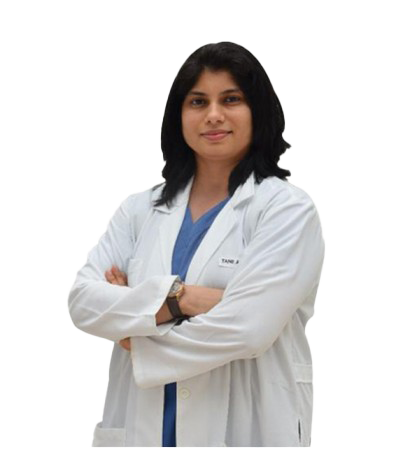
Dr Neema-Bhat

Thalassemia Specialist

Dr. Neema Bhat

MD (Cooper University Hospital, USA) · FAAP Fellowship, Pediatric Hematology, Oncology & BMT, Penn State Health · Gold Medalist, Physiology

Understanding Hematology

A specialist approach to blood disorders

Hematology is the branch of medicine focused on disorders affecting the blood, bone marrow and lymphatic system. These conditions range from common problems such as anaemia to inherited blood disorders, bleeding and clotting conditions, and blood cancers.

Blood disorders can affect people at different stages of life and may present with symptoms such as persistent fatigue, unexplained bruising or bleeding, frequent infections, pale skin or abnormal blood test results. Accurate diagnosis is important to understand the underlying cause and determine the appropriate treatment.

Hematology treatment in Bangalore depends on the specific condition, its severity, the patient’s age and overall health. Some conditions may be managed with medication, nutritional therapy or regular monitoring, while others may require transfusions, chemotherapy or advanced treatments such as bone marrow or stem cell transplantation.

What Does Hematology Treat?

Hematology covers conditions affecting blood cells, bone marrow and clotting function, including anaemia, thalassemia, sickle cell disease, bleeding disorders, lymphoma and multiple myeloma.

Why Specialist Care Matters

Blood disorders can have different causes and may require specialised testing and long-term management. A hematologist helps identify the underlying condition and develop an appropriate treatment and follow-up plan.

Blood Disorders & Conditions We Treat

Hematology covers a wide range of conditions affecting blood cells, bone marrow and clotting function.

Anemia

A condition in which the body does not have enough healthy red blood cells to carry adequate oxygen. The underlying cause determines the appropriate treatment.

Thalassemia & Sickle Cell Anemia

Inherited blood disorders affecting hemoglobin production or red blood cell function that may require long-term specialist management.

Lymphoma

A cancer of the lymphatic system requiring diagnosis, staging and treatment tailored to the specific lymphoma subtype.

Multiple Myeloma

A cancer affecting plasma cells in the bone marrow, generally managed according to disease characteristics and the patient's overall condition.

Bleeding & Clotting Disorders

Conditions affecting the body's ability to form or control blood clots, including inherited and acquired disorders.

Thrombocytopenia & Platelet Disorders

A cancer affecting plasma cells in the bone marrow, generally managed according to disease characteristics and the patient's overall condition.

Recognising the Signs

Symptoms of Blood Disorders

Symptoms can vary considerably depending on the blood disorder and its severity.

  • Persistent fatigue or weakness
  • Unexplained bruising or bleeding
  • Frequent nosebleeds or unusually heavy menstrual bleeding
  • Pale skin or shortness of breath
  • Frequent or recurring infections
  • Swollen lymph nodes
  • Bone pain
  • Abnormal findings on a complete blood count (CBC)

How Is Hematology Diagnosed?

Diagnosis & Testing

Diagnosis generally begins with a clinical assessment and basic blood tests, followed by more specific investigations when required.

  • Complete Blood Count (CBC) – Measures red blood cells, white blood cells and platelets and is commonly the starting point for evaluation.
  • Blood Smear – Examines blood cells under a microscope to identify abnormal shapes, sizes or immature cells.
  • Iron Studies & Vitamin Panels – Help identify nutritional and metabolic causes of anemia.
  • Coagulation Studies – Evaluate how effectively blood clots when a bleeding or clotting disorder is suspected.
  • Bone Marrow Biopsy & Aspiration – May be recommended when the findings suggest a disorder originating in the bone marrow.
  • Genetic & Molecular Testing – May help identify inherited blood disorders or provide additional information for classifying blood cancers.

Treatment Options

Hematology Treatment Options

Treatment depends on the diagnosis, severity, age, overall health and specific characteristics of the condition.

Medication Management

Medications are used to manage several blood disorders depending on their underlying cause. They may help control symptoms, improve blood counts, prevent complications or manage abnormal clotting. Treatment is selected based on the specific diagnosis and may require regular blood tests to monitor response and adjust the medication when needed.

Blood or platelet transfusions may be required when blood counts become significantly low or when the body is unable to produce adequate blood cells. They may be used in conditions such as severe anemia and thalassemia, as well as during certain cancer treatments. Patients who require repeated transfusions may also need ongoing monitoring for complications associated with long-term transfusion therapy.

Iron, vitamin B12 or folate supplementation may be recommended when a nutritional deficiency is responsible for the blood abnormality. Identifying the specific deficiency is important because not every type of anemia responds to iron therapy. Treatment is therefore guided by appropriate blood tests and the underlying cause.

Chemotherapy may be used to treat blood cancers such as leukemia, lymphoma and multiple myeloma when indicated. Treatment is generally planned according to the specific type and characteristics of the cancer and may involve multiple phases or combinations of medicines. Regular blood tests and clinical monitoring help assess treatment response and manage potential side effects.

Bone marrow or stem cell transplantation may be considered for selected blood cancers and severe inherited blood disorders when clinically appropriate. The procedure involves replacing diseased or damaged blood-forming cells with healthy stem cells from a suitable donor or, in selected situations, the patient’s own cells. Because transplantation involves intensive treatment and prolonged monitoring, suitability is assessed carefully based on the patient’s diagnosis, disease status and overall health.

Hematology Conditions

Blood disorders requiring specialised care

Hematology covers a wide range of conditions affecting the blood, bone marrow and lymphatic system. These include common conditions such as anemia, inherited disorders such as thalassemia and sickle cell disease, bleeding and clotting disorders, as well as blood cancers such as leukemia, lymphoma and multiple myeloma.

Each condition can have different causes, symptoms and treatment requirements. Accurate diagnosis helps determine the underlying problem and allows treatment to be tailored according to the patient’s age, health, disease severity and individual needs.

Common hematology conditions include:

  • Anemia and nutritional blood disorders
  • Thalassemia and sickle cell disease
  • Bleeding and clotting disorders
  • Thrombocytopenia and platelet disorders
  • Leukemia and lymphoma
  • Multiple myeloma

Inherited Blood Disorders

Conditions such as thalassemia and sickle cell disease are inherited and can require long-term specialist care, regular monitoring and, in selected cases, transfusion or advanced treatment.

Blood Cancers

Leukemia, lymphoma and multiple myeloma affect blood-forming or lymphatic tissues and require accurate diagnosis, disease classification and an individualized treatment approach.

When to Seek Care

When should you see a specialist?

Get an Expert Second Opinion.

A second opinion can be useful when a diagnosis is complex, treatment options are uncertain, or a patient or family wants additional clarity before beginning treatment.

For blood cancers and conditions being considered for bone marrow transplant, reviewing the diagnosis, previous investigations and proposed treatment plan can help patients understand the available options.

Reports Checklist to Bring

Bring all available medical records and previous investigation reports to help the specialist understand the diagnosis and treatment history.

  • Recent CBC and blood-test reports
  • Blood smear reports, if performed
  • Bone marrow biopsy and aspiration reports, if performed
  • Coagulation studies, if relevant
  • Genetic or molecular testing reports, if available
  • Iron studies and vitamin reports, if relevant
  • Previous treatment records
  • Transfusion records, if applicable
  • Previous specialist consultation notes and treatment plans
  • Current medication list
PLANNING AHEAD

Cost of Hematology Treatment in Bangalore

Cost varies significantly based on type & stage, treatment modality, duration of care, and insurance coverage. For an accurate estimate specific to your diagnosis, a consultation is the best starting point.

What Affects Cost

Frequently asked questions

Common Questions About Thalassemia​

A hematologist diagnoses and treats disorders affecting blood cells, bone marrow and the lymphatic system, including anemia, inherited blood disorders, bleeding and clotting disorders and blood cancers.

A hematologist focuses on blood and blood-forming tissues, while an oncologist focuses on cancer. Some specialists are trained in both fields because many blood cancers require combined expertise.

Yes. Pediatric hematologists evaluate and treat blood disorders in children using approaches suited to growth and development.

People with severe thalassemia generally require long-term specialist care. Treatment may include regular blood transfusions, iron chelation and monitoring for complications. People with thalassemia trait may require little or no treatment.

The frequency depends on the type and severity of thalassemia. People with severe beta thalassemia may require transfusions every few weeks, while patients with less severe forms may need them less frequently or only in particular situations.

A referral may be recommended by a primary-care doctor, but patients may also seek specialist consultation directly depending on their circumstances.

Bring recent blood reports, previous specialist notes, treatment records, relevant genetic or bone marrow reports and a list of current medications.

The timeline depends on the condition. Some blood disorders can be identified with routine blood tests, while others may require additional investigations such as bone marrow or molecular testing.

Take the Next Step

Book a Consultation with Dr. Neema Bhat

Dr. Neema Bhat provides specialist hematology and oncology consultation for patients seeking Thalassemia Treatment in Bangalore, including children and adults requiring evaluation and long-term management of inherited blood disorders.

If you or your child has persistent anaemia, has been diagnosed with thalassemia, requires regular blood transfusions, has developed iron overload, or has been advised to consider a bone marrow or stem cell transplant, specialist evaluation can help clarify the appropriate treatment pathway.

Schedule Your Consultation with Dr. Neema Bhat

Whether you need a diagnosis, second opinion, or ongoing treatment – take the first step towards better blood health today.

+91 78997 56677

Emergency Line

Dr. Neema Bhat

Hematologist and Pediatric Oncologist in Bangalore, providing specialist care for thalassemia and other inherited blood disorders.

Quick Links
Related Topics
Contact

585, 2nd Main Rd, 2nd Phase, Hosakerehalli Layout, Banashankari 3rd Stage, Banashankari, Bengaluru, Karnataka 560085

+91-789-975-6677

Scroll to Top